
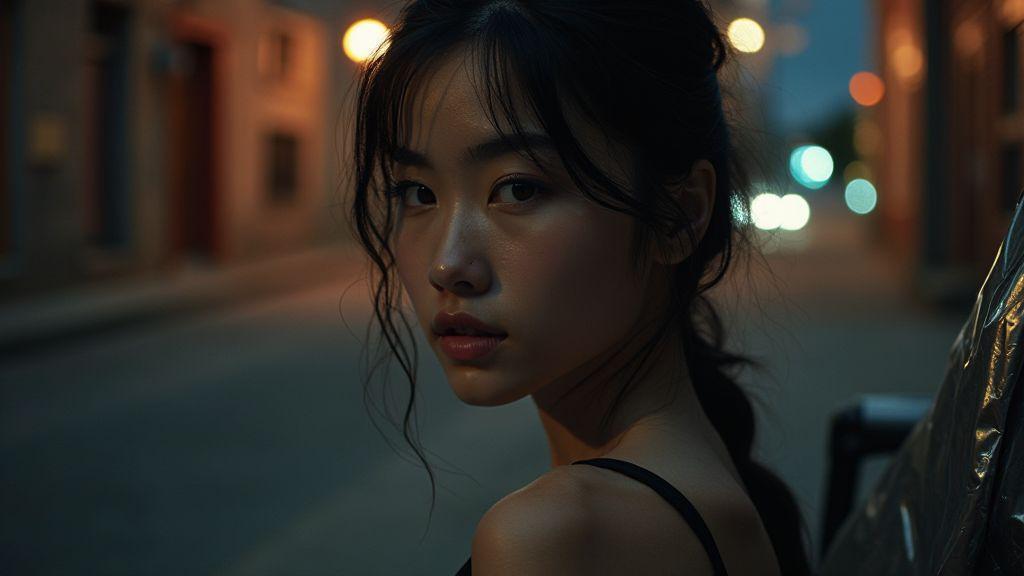
DIY reflector materials for night portraits
You, your subject, and a little light can make magic at night. The right DIY reflector setup helps bounce ambient or street light onto your subject’s face, creating depth without costly gear. Start with simple, accessible materials so you can experiment without breaking the bank. Your goal is to shape light, not seal a spaceship; keep it simple, sturdy, and portable so you can move as your scene changes.
For night portraits, you want a reflector that’s light enough to carry but sturdy enough to hold a fold or stand. Foil and cardboard are the classic budget pair. They’re reactive, quick to swap, and bounce light with just a slight shine. White fabric and poster board deliver a softer, more controlled fill that’s friendlier to skin tones. Each option has a personality: foil is bright and punchy; fabric is gentle and forgiving. You’ll learn what your eyes like by trying both in different spots around your subject as the street lights flicker behind you.
When you practice, you’ll see how tiny changes in angle or distance change the mood. A reflector isn’t magic, but it is reliable practice: you can craft the light you want even on a busy sidewalk or a dim park. Remember your camera settings and shoot with intent—every bounce should serve the portrait’s mood. If you can, bring a compact bag so you’re ready to switch from a sharp highlight to a softer glow in seconds.
Foil and cardboard builds for fill light
Foil reflects a clean, bright line of light that can mimic a streetlamp’s edge. Tape a sheet of aluminum foil to a flat piece of cardboard to create a pocket reflector. Keep the foil smooth and taut, with no wrinkles to avoid uneven highlights. Aim the foil at a shallow angle toward your subject to lift the eyes and cheekbones just enough to separate them from the background.
Cardboard acts as the sturdy backbone of your setup. Use thicker corrugated board if you’ll be moving a lot, so it doesn’t bend. Cut a rectangle roughly the size of your forearm, and cover it with foil or white paint on the front for brightness. Let your arm stay loose to avoid shaking the light. Practice positioning: a few inches closer can boost catchlights, while a few inches away softens the glow. If you’re shooting a couple, angle two boards in a V shape to create a wider fill without losing control.
If you want extra control, add a simple stand or a clamp to keep the reflector steady. A small desk light with the foil taped in front can steady the light’s direction, especially on windy nights. Keep edges free from sharp glare, tilt slightly, and test with your subject’s face in the viewfinder. The more you practice these tweaks, the more confident you’ll feel chasing night light with cardboard and foil.
White fabric and poster board options
White fabric softens the light into a gentle, flattering glow. Tape or clip the fabric to a lightweight frame, then angle it toward your subject to tame harsh streetlights. The fabric’s texture diffuses edges and reduces hot spots, helping skin look natural in low light. If you’re new to night portraits, this is a friendly starting point because the results are forgiving and easy to adjust.
Poster board is a budget-friendly, rigid option that holds its shape well. Stick a white poster board on a thin frame or lean it against a wall to reflect light cleanly. Its crisp surface sends a more defined, wrap-around highlight that can make features pop without looking sharp or blown out. For a softer look, use a brighter white and keep the reflector farther away. For a punchier look, move it closer or tilt it slightly toward the eyes. You can even pair poster board with a touch of matte spray to reduce glare.
If you’re chasing texture in the light, try mixing fabric and poster board: fabric softens the overall glow while poster board adds directional punch where you want it most. The balance you strike comes from testing in real-time under your chosen night scenario—near a storefront, under a lamppost, or by a stairwell.
Quick material checklist
- Foil sheet, flat and smooth; cardboard backing for rigidity
- White fabric (old bedsheet or curtain) or poster board for softer or crisper fills
- Scissors, tape, and clips to secure material
- A lightweight frame or stand, or a simple handhold technique
- A small flashlight or phone light for quick adjustments in the dark
- Optional: clamp or binder clips to fix angles on a railing or wall
Reflector placement and angle basics
You’re controlling light, so start with solid basics. A reflector redirects existing light to where you need it. For night portraits, you’ll mostly rely on ambient street light, window light, or a tiny lamp, and you’ll use the reflector to fill shadows and sculpt features. Think of the reflector as a mirror with a mission: brighten the face without creating harsh glare. Practice holding it high or low to see how the light wraps, and always keep the subject’s eyes on a comfortable brightness level. Your goal is even, natural-looking catchlights and a gentle lift under the chin. This is where you learn to read the shadows and tell them where to go with a simple flip of the reflector.
When you choose a reflector, pick a size that fits your setup. A 5-in-1 reflector gives you white, gold, silver, black, and translucent surfaces, which is handy for night scenes. You’ll often start with white for a clean fill and switch to gold or silver if the street light is too cool or too warm. Position matters more than brand. If you’re using a dim street lamp, tilt the reflector slightly toward the subject to bounce warm, soft light into the eye sockets and cheeks. If a lamp is harsh overhead, angle the reflector upward to mirror that glow and smooth the forehead. You’ll notice that small changes in tilt and distance can dramatically change the mood without needing more gear.
Keep your workflow simple: hold the reflector at about chest height or slightly higher, angled toward the subject’s face, and adjust as the light changes. You’ll often find the best results by keeping the reflector steady and moving your subject or camera to catch the light just right. In crowded or windy nights, use a helper or clip the reflector to a stand so you can lock in a flattering angle without tugging on the setup. With practice, you’ll instinctively know when to raise or lower the reflector and how to angle it for a natural glow.
Reflector placement for night portraits
When you place the reflector, you’re aiming for a soft fill that reduces deep shadows on the subject’s face. Start with the reflector at about 40 to 60 degrees to the side of your subject. This places a gentle light in the eye area and along the cheek, giving the portrait dimension without looking flat. If the street light is coming from the left, put the reflector on the right of the subject to bounce light back. If the light is below, keep the reflector higher to lift under the chin and brighten the jawline. You’ll see a more defined portrait and less dramatic contrast that can look washed out in low light.
Move the reflector closer to the subject for a brighter fill, or farther away for a softer glow. In cramped spots, a smaller, white reflector can still do wonders if you angle it precisely toward the face. If you need a punchier look, switch to the silver or gold side and nudge the angle until you see brighter catchlights in the eyes. The key is consistency: keep the bounce steady so your subject’s skin tone reads correctly across consecutive frames or shots. You’ll learn the rhythm of this setup by testing a few angles in quick succession.
In practical terms, you’ll often balance the night’s hard light with your reflector by watching shadows on the face. If the nose casts a harsh line, tilt the reflector to soften it. If the cheek looks too bright, angle it away slightly. Remember, you’re not fixing the scene—you’re shaping it. The goal is a natural, flattering bounce that makes your subject feel comfortable and looks good on camera.
Reflector angles for night portrait photography
Your angle choice controls the mood. A shallow angle (near the camera level) fills softer shadows and creates gentle volume on the face. A steeper angle (higher, toward the eyes) lifts the cheekbones and reduces under-eye darkness. For most night portraits, start with a 30–45 degree angle to the subject’s face. Then tweak one notch at a time to see how the light wraps. Small changes matter: a 5-degree shift can brighten the eye line or reduce a shadow under the nose.
If you’re chasing a dramatic look, try a high-angle bounce to create more contrast on the jawline and neck while keeping the eyes bright. For a softer vibe, lower the reflector so the light wraps the cheeks more evenly and softens the brow. If you want a bit of sparkle in the eyes, aim the bounce toward eye level and angle slightly up to narrow the shadow under the chin. You’ll notice that your subject’s expressions change with the light, so adjust the angle to preserve their natural look.
When you’re learning these angles, shoot in quick bursts and compare. Use the LCD to check catchlights—the little reflections in the eyes tell you a lot about angle and distance. If the bounce looks flat, tweak the height or tilt. If the light feels too strong, back off the reflector a bit. Consistent practice here builds your confidence.
45-degree bounce rule
For night portraits, a 45-degree bounce is your default sweet spot. Position the reflector about halfway between the subject and the light source, at roughly a 45-degree angle to the subject’s face. This gives you a balanced fill that avoids hot spots and keeps skin tones natural. The 45-degree setup tends to give the eyes a lively catchlight and a gentle lift to the cheeks, which is exactly what you want for appealing night portraits. If you need a quicker win, start here and adjust only if the shadows feel off.
With this rule, you’ll quickly get reliable results when you’re working solo or with a tiny crew. It’s a practical baseline that helps you avoid overthinking light in the moment. As you gain confidence, you’ll learn when to deviate from 45 degrees to suit a specific mood or ambient light, but this angle is your dependable starting point.
Using your phone flashlight with a reflector
You’re going to get brighter, cleaner light when you pair your phone’s flashlight with a simple reflector. Your goal is to bounce light toward your subject, not blast them with direct glare. A basic reflector—like a white foam board or a dedicated light reflector—will turn that small glow into a softer, more flattering beam. Start by holding the reflector at a gentle angle to catch the phone’s light and send it toward your subject’s face. You’ll notice the shadows soften and detail pop, especially around the eyes.
Practice matters here. Move the reflector a few inches left or right and adjust the angle until you see the light wrapping around the features you care about. If the scene has a lot of dark shadows, you can angle the reflector slightly higher to lift the chin and open up the eye sockets. Keep the phone at a steady distance—too close and you’ll burn the glow; too far and you’ll lose that bounce effect. With a little tuning, you’ll unlock a cleaner, more natural look without extra gear.
- Use a white or silver reflector for the brightest bounce.
- Tilt the reflector so the light lands where you want it most.
- In doorway or alley scenes, catch ambient light and mix with the phone glow for balance.
- Check results on screen and adjust before snapping.
Using phone flashlight with reflector at night
When you shoot at night, the night air can suck the light away from your subject. Your reflector helps pull it back in. Position your reflector to catch the phone’s flashlight and aim it toward the person’s face. A slight tilt upward can fill the under-eye area and reduce harsh shadows on the nose. The bounce should feel natural, not forced, so your subject looks like themselves with a little extra pop.
If you’re in a city with streetlights, use the reflector to redirect some of that street glow into the shot. The phone’s beam plus the reflector can mimic a professional key light, but you’re doing it on a budget. Try micro-adjustments: drop the reflector lower for a softer jawline, or raise it for more cheek highlights. On busy nights, keep the phone steady on a stable surface or in your hand with a steady grip so the bounce stays consistent.
For selfies or two-person shots, you can angle the reflector to split the light between you and your friend. Keep the bounce gentle to avoid hot spots. If the light looks flat, nudge the reflector to reintroduce depth and contour.
Bounce light techniques for low light portraits
Bounce light works because it spreads the glow across the face, smoothing hard lines and revealing texture. Start with the reflector behind the phone light and angle toward the subject. The closer you hold the reflector, the more intimate the light, but be careful not to create glare in the eyes. A bit farther away softens the look while keeping the glow.
Another method is the fill from below trick. Angle the reflector slightly under eye level to lift shadows under the eyes and chin, creating a more youthful look. In low light, every slight nudge matters, so test small adjustments and check your screen. If your subject wears glasses, tilt the reflector a fraction so the light doesn’t reflect into the lens.
Consistency is key. If you’re shooting a series, keep the reflector angle similar between shots to maintain a cohesive look. Don’t be afraid to switch between closer and farther distances to see which gives your subject the most flattering balance of brightness and texture.
Position phone light behind reflector
Place your phone’s flashlight behind the reflector rather than directly in front of the subject. This setup sends light onto the reflector first, which then redirects a softer beam toward the face. You’ll get less glare and more even illumination. Keep the reflector at a slight angle to catch the light and bounce it toward the eyes and cheeks for a natural glow.
Soften streetlight and harsh sources
When you shoot portraits at night, harsh streetlights can punch through your subject and create sharp shadows. You want a gentler look that shapes the face without losing the environment. Start by noting where the light comes from and how it hits your subject. If you keep the light coming from one side, you’ll see dramatic cheek shadows, but softening it yields more natural skin tones and a cleaner outline. Your goal is to balance the scene so the background stays visible but your subject isn’t overwhelmed by glare.
You can control this by introducing a softer surface between the light and your subject. Bounce light back toward the face instead of letting it hit directly. Practically, you’re creating a gentle wrap that mirrors a window glow rather than a spotlight. This makes your night portrait feel more alive, not flat.
Use a quick test with your camera to check exposure and shadows. If you see red eyes or blown-out highlights, back away slightly or move the light source, so the glow sits where you want it. The trick is to keep the street vibe—neon in the background—without turning your subject into a silhouette you can’t read. Your setup should feel natural and intentional, not like you’re hiding the light entirely.
Soften streetlight for portraits with reflector
Using a reflector is the easiest way to add gentle fill. Place the reflector off to the side and angle it toward your subject’s face. The reflected light is softer than the streetlamp, reducing harsh shadows while keeping the city mood alive. Position matters: too high lifts the chin and creates an unflattering shadow under the nose; too low flattens the face. Aim for a slight angle upward toward the eyes to get a natural catchlight. If you don’t have a real reflector, a white poster board or a light-colored jacket can work in a pinch. Your job is to catch that glow and bounce it where you need it most.
Create fill light with foil and cardboard
Foil can act as a directional bounce that’s gentler than the lamp itself. Wrap a piece around a small cardboard sheet to create a directional fill that smooths night’s sharp contrasts.
Fold and angle the foil so the light bounces toward the eyes and cheekbones. The cardboard acts as a shield so you don’t overdo the bounce on other parts of the face. This setup is handy in tight spots where you can’t get a proper reflector. It’s low-cost, quick, and surprisingly effective for a warm, natural look.
Keep your setup steady with a finger or a small clip. You don’t need perfect symmetry, just enough light to lift the face without washing out the surroundings. If the foil starts to glare, tilt the board slightly to keep the reflection soft and flattering.
Camera settings and exposure tips for zero budget shoots
You’re shooting portraits at night with no budget, so you need to work smart, not fancy. Start with a steady base: use the widest lens you have and keep your shutter speed fast enough to avoid blur from hand shake. Let your camera give you a boost by choosing a higher ISO only when you must, and resist the urge to overdo it. Your goal is clean tones with as little noise as possible, even if that means waiting for a kinder light or using your settings creatively. Think in layers: light from the scene, light from any street lamps, and light you add with simple tools you already own, like a window or a phone flashlight.
Your exposure plan is simple. Pick an aperture around f/2.8 to f/4 if you can, which lets in enough light to make the portrait pop while keeping some background separation. For shutter speed, start around 1/60 to 1/125 second. If your subject isn’t moving much, you can drop to 1/60; if they’re fidgety, lean toward 1/125. Your ISO sits in a tricky zone on zero budget: lean toward 800–3200 depending on your camera’s best low-light performance. If you see too much grain, back off the ISO a notch and nudge the exposure with light from a window or a small, inexpensive reflector. The key is to balance sharpness with noise so the face stays clear and the mood stays night-time.
Keep framing tight and the scene simple. You’ll often win by controlling where the light lands—face first, then the background. If the night air is cool and calm, you can let the ambient light carry the shot and just fill in with a small amount of extra light. Set your white balance to match the light sources, then adjust in post if needed. Don’t overthink the perfect shot; practice with a few quick takes, compare, and learn from what feels right. The more you shoot, the more you’ll see how exposure, lens, and light cooperate even with no budget.
How to Use a Reflector for Night Portraits on a Zero Budget — exposure basics
Using a reflector at night can be a game changer for exposure. If you’re near a streetlight or a lamp, angle the reflector to bounce a soft, flattering glow onto your subject’s face. Keep the reflector low-key and angled to avoid glare or hot spots. A simple white sheet or cardboard can work in a pinch, but a real reflector makes this easier and more even. Your budget tip: tape a white poster board to a piece of cardboard and add a silver or white side if you have one.
Position your subject so the primary light is the streetlamp or ambient source. Place the reflector about 45 degrees to the side to bounce light softly onto the face. If the light is harsh, angle the reflector slightly away to soften it. You’re smoothing the ambient light so skin tones aren’t muddy. Check how the reflected light wraps around the cheek and under the eyes. If the eyes look flat, tilt the reflector a touch higher.
In practice, you’ll adjust on the fly. If the subject looks underexposed, rotate the reflector toward the face for more fill. If you see hot highlights, tilt it away and lower the angle. Remember, you’re using exposure basics to create balance between ambient night light and the reflected fill. The goal is natural-looking skin with enough contrast to give depth, not a blown highlight or a flat, gray face.
How to Use a Reflector for Night Portraits on a Zero Budget: quick-start checklist
- Choose a simple reflector (foil on cardboard, white fabric, or poster board) to fit your scene.
- Start with a 45-degree position to bounce ambient light toward the face.
- Use a white surface for soft fill; switch to silver/gold for warmer or punchier looks.
- Keep the reflector around chest to eye level; adjust tilt to taste.
- Pair with your phone flashlight when needed, using the reflector to shape and soften the glow.
- Check results on screen and adjust distance/angle in quick bursts.
- Maintain safety: stay visible, watch for wind, and avoid blocking sidewalks or traffic.
Metering and ISO to keep noise low
Metering helps you balance night scenes. Use evaluative metering and adjust exposure to protect skin tones. If the scene is dark but the subject is bright, switch to spot metering on the face. Keep ISO as low as possible while preserving a usable shutter speed. Common ranges are 800–1600 for steady portraits, up to 3200 only when necessary and well stabilized.
Check histogram and adjust
Your histogram guides exposure. Look for a balanced curve with no clipping in highlights or crushed shadows. If highlights clip on street lamps or skin, pull back exposure. If shadows are too dark, push exposure slightly while preserving midtones. After each shot, review the histogram and tweak.
Improvised reflector ideas and safety tips
Reflectors are tools for shaping light, not toys. Plan light sources before bouncing. Choose reflective surfaces that are easy to handle and won’t blow away. Wear reflective gear or carry a flashlight to stay visible. Communicate with your subject when you bounce light, and practice quick, smooth movements. If you’re with a group, assign a helper to manage the reflector.
Cheap reflector alternatives for night portraits
White foam board, large white poster board, or a plain white T-shirt stretched over a frame work well. Smartphone screens or tablets can act as portable reflectors if needed. Aluminum foil on cardboard creates a small reflective surface for sharper highlights. A white trash bag or poster board on a window frame can serve as a larger reflector.
Improvised reflector ideas for night photography
A white plastic lid from a large paint bucket can act as a compact reflector. A glossy white cardboard panel at 45 degrees provides clean bounce. A sun umbrella with a white interior can act as a large reflector for broad light. A white bedsheet stretched over a frame makes a soft, even modifier. Near windows, a clean white curtain can bounce daylight or street glow.
Stay visible and avoid hazards
Dress bright and keep gear compact. Use reflective straps and a bright vest. Watch where you step and avoid cables, puddles, and busy walkways. Keep the reflector away from traffic and carry a small flashlight. Pack up with the same care you used to set up.
If you found this guide useful, you’re exploring topically relevant tips for How to Use a Reflector for Night Portraits on a Zero Budget. It’s your practical route to better night portraits without breaking the bank, using common materials and a little know-how to shape light and bring out natural skin tones in challenging low-light environments.

Smartphone Night Photography Enthusiast & Founder of IncrivelX
Vinicius Sanches is a passionate smartphone photographer who has spent years proving that you don’t need an expensive camera to capture breathtaking images after dark. Born with a natural curiosity for technology and a deep love for visual storytelling, Vinicius discovered his passion for night photography almost by accident — one evening, standing on a city street, phone in hand, completely mesmerized by the way artificial lights danced across wet pavement.
That moment changed everything.
What started as a personal obsession quickly became a mission. Vinicius realized that millions of people were carrying powerful cameras in their pockets every single day, yet had no idea how to unlock their true potential after the sun went down. Blurry shots, grainy images, and washed-out colors were robbing everyday people of memories and moments that deserved to be captured beautifully.
So he decided to do something about it.
With years of hands-on experience shooting city streets, starry skies, neon-lit alleyways, and creative night portraits — all with nothing but a smartphone — Vinicius built IncrivelX as the resource he wished had existed when he was just starting out. A place with no confusing jargon, no assumptions, and no gatekeeping. Just honest, practical, beginner-friendly guidance that actually gets results.
Vinicius has tested dozens of smartphones from every major brand, explored dark sky locations across multiple states, and spent countless nights experimenting with settings, compositions, and editing techniques so that his readers don’t have to start from scratch. Every article on IncrivelX comes from real experience, real mistakes, and real lessons learned in the field.
When he’s not out shooting at midnight or writing in-depth guides for the IncrivelX community, Vinicius can be found exploring new cities with his phone always within reach, looking for the perfect shot hiding in the shadows.
His philosophy is simple: the best camera is the one you already have — you just need to learn how to use it in the dark.