Safety tips for Using Car Headlights as Creative Light Source for Night Portraits
Using Car Headlights as Creative Light Source for Night Portraits can be exciting, but safety must come first. You’ll want to consider where you stand, how you move, and what could startle others on the street. The key is to keep your setup simple and under control so your portrait ideas stay in focus and your nerves stay steady. Treat the headlights as a tool, not a hazard, and you’ll get the light you want without risking yourself or others. This approach—Using Car Headlights as Creative Light Source for Night Portraits—emphasizes steady, intentional light. Practice how the beam falls on your subject before you shoot, create a calm area around you, and keep a clear line of sight for pedestrians and passing cars. When you feel confident about the light and space, you can experiment with angles and distances while staying safe.
Choose a legal, low-traffic location
Look for a legal, quiet spot to avoid trouble with authorities or loud traffic. An alley with a sidewalk, a park edge after hours, or a slow street can work. A familiar, safe area helps you stay calm and focused. Less traffic makes it easier to control where the light lands and how long you shoot without interruptions. If you’re unsure, ask a local business or neighbor if you can shoot after hours or on a quiet side street. Walk the route first to feel how the light travels and where people might walk, ensuring a safe, natural-looking result.
Bring a spotter and wear reflective gear
A spotter is your extra set of eyes, watching for moving cars, pedestrians, and hazards you might miss. They can guide you to swap angles if a car approaches, keeping the shoot calm and safe. Wear reflective gear so you’re visible in low light; a vest or tape on your sleeve helps drivers notice you ahead of time. This improves safety and gives you more room to work.
Check vehicle lights and battery before shooting
Test every light you’ll use before your first frame. Run through the patterns you want and ensure the beam is steady and color temperature remains consistent. Any flicker or drift can create uneven shadows or hot spots. Also check camera and car batteries; bring spares and keep chargers handy. A quick check keeps you focused on your subject rather than power issues.
Match headlight types for car headlight portrait lighting
Choosing the right headlight type sets the mood. Halogen, LED, and HID each offer a different feel:
- Halogen: warm and forgiving, good for soft, natural tones.
- LED: crisp, consistent, versatile for a modern look with sharp edges.
- HID: bright with strong, cooler highlights for dramatic, film-noir feel.
Consider color temperature and how it interacts with skin tones. You can mix headlight types with ambient lights to create color halos around the subject. Start with one type, then experiment to understand its quirks and how it affects mood, texture, and exposure.
Know differences between halogen, LED, and HID
Halogen provides inviting warmth and soft shadows but can be dimmer at a distance. LED offers consistent brightness and easy color control, great for quick setups and keeping skin tones natural. HID delivers punchy, high-contrast light but requires careful handling to prevent harsh highlights. Your choice should support the story you’re telling in the night portrait.
Adjust distance to soften or harden light
Distance changes how light shapes the subject. Closer light softens shadows; farther light creates crisper edges and more defined textures. Use distance to control contrast: closer light lowers contrast for a gentler look; farther light raises contrast for stronger definition. Adjust your camera settings (aperture, ISO, shutter) to match the new distance.
Use simple DIY headlight modifiers for control
You don’t need fancy gear. A sheet of white cardboard or diffusion material can bounce or soften light. A diffusion panel softens harsh highlights, while a small cardboard flag can shade part of the beam for a defined look. Stacking diffusion and color gels lets you tint the light without overheating. Always ensure modifiers are secure and bulbs aren’t overheated.
Off camera car headlight techniques and rim light portraits
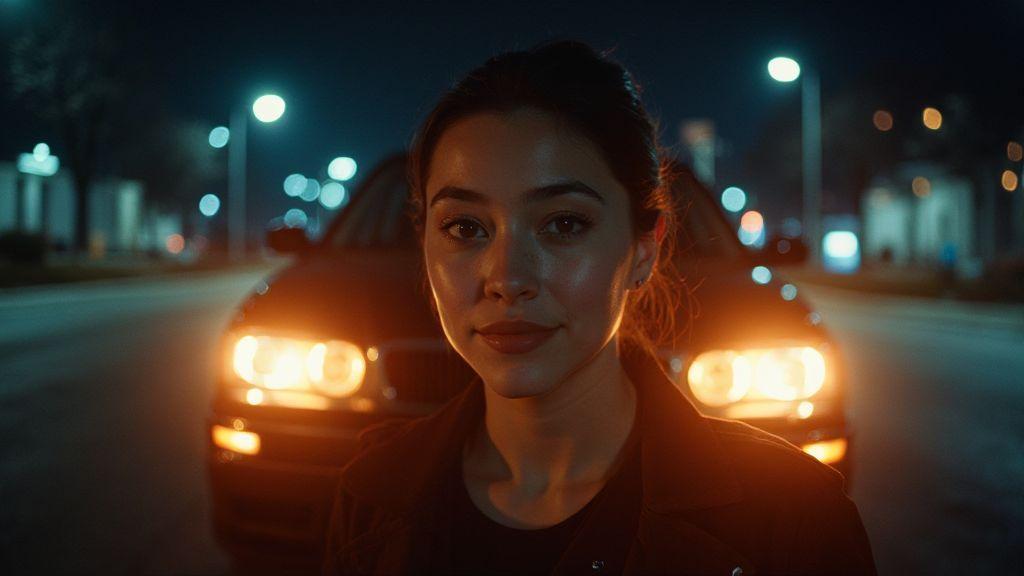
Using headlights off camera gives extra separation and a cinematic rim without blasting the subject. Place headlights behind or to the side of the subject so the beam wraps around their silhouette, creating a bright rim at the jawline and shoulders. Keep the power low and adjust in small steps to avoid flare into the camera. You can also borrow taillights for a secondary color kick, but prioritize the rim light that separates the subject from the night.
Place lights behind subject for rim separation
Aim for a strong edge around the subject without washing features. A mid-height angle to the side often yields a clean contour. A narrow beam helps prevent the glow from spilling into the frame. If you’re adding color, a second light or colored gels can create a cool order of cool/warm edges that adds depth.
Move lights off axis to sculpt features
Light from the left can highlight cheekbones and subtly narrow the jaw, while the darker right side adds contrast. Small head tilts toward the light emphasize dimensionality. If you want softer shadows, move the light closer and lower power; for more drama, back away and increase intensity slightly.
Practice safe off-camera placement and signals
Use sturdy mounts, secure cables, and clear signals with the subject before adjusting lights. If you’re near traffic, keep a clear line of sight for yourself and drivers, and never place gear where pedestrians might step. A sandbag or weight on stands helps prevent tipping in wind.
Exposure settings for headlight portraits and long exposure painting
Treat headlights like a mini studio light. Use modest ISO, stay mindful of motion, and balance the glow in the background with a sharp subject. Long exposure allows motion trails (cars, people, stars) without washing the subject. Bracket shots and check histograms to maintain proper exposure.
Start with low ISO and test aperture values
ISO around 100–200 keeps noise low; test apertures such as f/4, f/5.6, or wider if needed. Open up only if you’re sure highlights won’t blow out. Aim for a crisp face with a gentle background glow.
Use long exposure for headlight painting effects
Begin with a few seconds, then extend to 10–15 seconds if the scene isn’t too bright. If halos appear around headlights, shorten the exposure. You can stack multiple exposures to blend face lighting with light trails.
Bracket shots and check your histogram each frame
Bracket variations of -1, 0, 1 stops give options if headlights are too bright or dim. After each shot, review the histogram to avoid clipping and ensure a natural tonal spread.
Composition and posing with headlights for flattering night portraits
Treat headlights as a tool, not a gimmick. Position the subject slightly off-center, with the light wrapping softly across the face. Have the subject tilt the chin slightly and adjust shoulders to flatter cheekbones and jaw. If the headlights hit the lens, ask for a minor head turn to reduce glare and add dimension. Use the car’s shape as a frame, and vary positions for group shots to keep the scene cohesive yet dynamic. Keep eyes in the upper third of the frame for spark.
Position subjects to avoid unflattering glare
Shoot at a side or 45-degree angle to minimize glare in the eyes. If hotspots appear, nudge the subject and adjust shoulder angle. Smaller distance changes can dramatically improve even lighting. Use the car’s hood or bumper as a gentle reflector to bounce light back onto the face, and tilt the head to shift catchlights in the eyes. Lens choice also matters: shorter focal lengths can exaggerate glare, while longer lenses soften it.
Use reflections and foreground elements for depth
Reflections in windows or chrome add depth. Position the subject so headlights reflect softly on nearby surfaces, creating context without overpowering the face. Foreground elements—curb, fence, or grass—frame the portrait and ground the scene. Balance color casts by adjusting white balance to keep skin tones natural while allowing headlights to glow.
Frame to include car context without distractions
Frame with just enough of the car to tell the story—hood line, bumper, or a hint of grille—without clutter. A clean background helps the subject stand out. Try multiple frames; sometimes a tight crop with headlights and eyes is stronger than a wide shot.
White balance car headlight photography and color correction tips
White balance keeps skin tones natural amid bold car lights. Start with presets, then lock in a setting that preserves skin tones while letting headlights glow. Shooting RAW gives you flexibility to adjust later without degrading color. Monitor the histogram to keep skin tones balanced and avoid over-yor under-saturation. A flat profile helps with post corrections.
Set custom Kelvin or adjust in RAW later
Set a custom Kelvin value to preserve skin tones while maintaining headlight glow. For many night portraits with car lights, 3200–4200K can work. If you prefer, shoot Auto White Balance and switch to RAW for precise correction later. Keep adjustments consistent across frames for a cohesive sequence.
Correct mixed light to keep skin tones natural
Mixed lighting from headlights and street lamps can shift skin tones. Do a global white-balance pass, then selectively adjust skin tones. Use local edits to warm or cool skin without changing the lights. The goal is a natural look with headlights that glow without tinting faces unnaturally.
Match headlight color to ambient light during edit
During editing, align headlight color with the ambient scene. Subtly adjust headlight temperature to harmonize with street light and background tones. If eyes catch glare, refine to keep gaze natural. Practice with different scenes to learn when to push color toward white or a touch warmer while preserving the dramatic effect of the headlights.
If you’d like to see the look balanced and cinematic, keep practicing with the exact approach of Using Car Headlights as Creative Light Source for Night Portraits, ensuring both safety and expressive results.
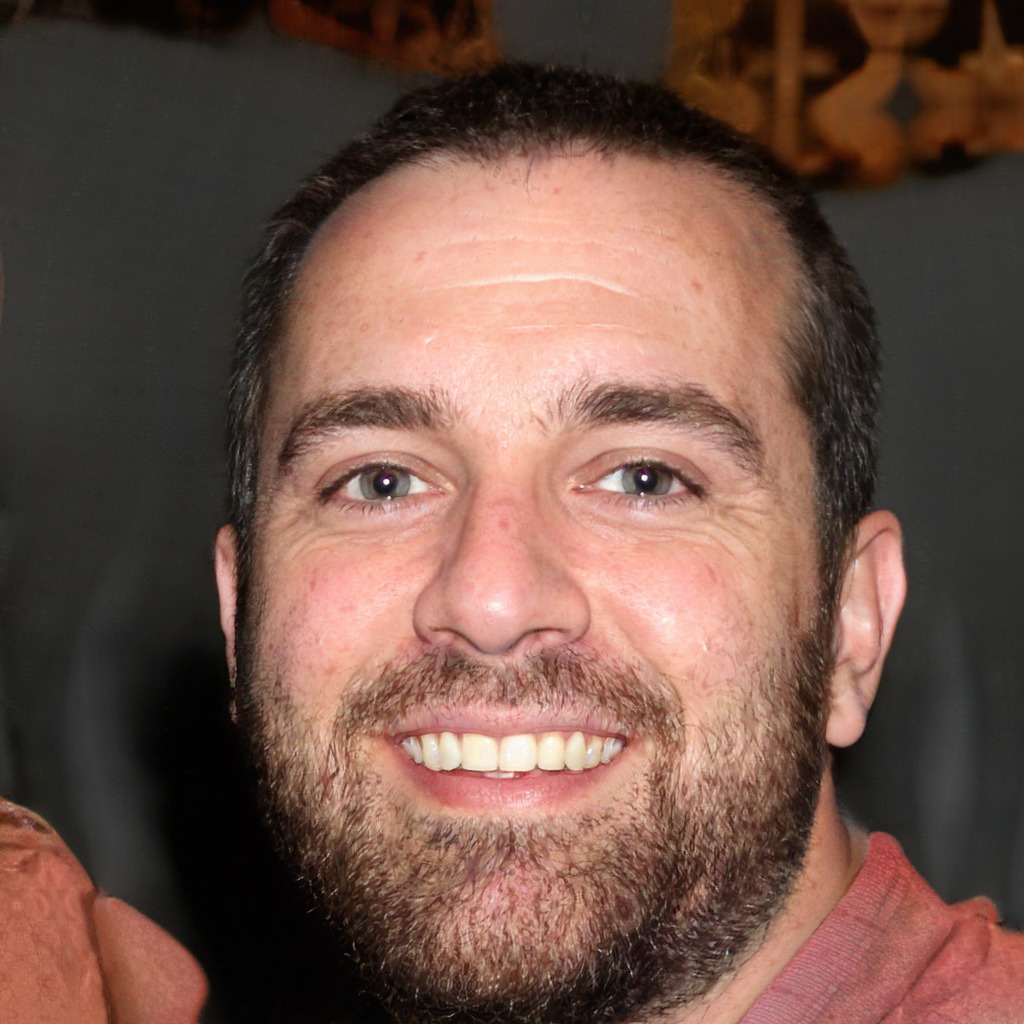
Smartphone Night Photography Enthusiast & Founder of IncrivelX
Vinicius Sanches is a passionate smartphone photographer who has spent years proving that you don’t need an expensive camera to capture breathtaking images after dark. Born with a natural curiosity for technology and a deep love for visual storytelling, Vinicius discovered his passion for night photography almost by accident — one evening, standing on a city street, phone in hand, completely mesmerized by the way artificial lights danced across wet pavement.
That moment changed everything.
What started as a personal obsession quickly became a mission. Vinicius realized that millions of people were carrying powerful cameras in their pockets every single day, yet had no idea how to unlock their true potential after the sun went down. Blurry shots, grainy images, and washed-out colors were robbing everyday people of memories and moments that deserved to be captured beautifully.
So he decided to do something about it.
With years of hands-on experience shooting city streets, starry skies, neon-lit alleyways, and creative night portraits — all with nothing but a smartphone — Vinicius built IncrivelX as the resource he wished had existed when he was just starting out. A place with no confusing jargon, no assumptions, and no gatekeeping. Just honest, practical, beginner-friendly guidance that actually gets results.
Vinicius has tested dozens of smartphones from every major brand, explored dark sky locations across multiple states, and spent countless nights experimenting with settings, compositions, and editing techniques so that his readers don’t have to start from scratch. Every article on IncrivelX comes from real experience, real mistakes, and real lessons learned in the field.
When he’s not out shooting at midnight or writing in-depth guides for the IncrivelX community, Vinicius can be found exploring new cities with his phone always within reach, looking for the perfect shot hiding in the shadows.
His philosophy is simple: the best camera is the one you already have — you just need to learn how to use it in the dark.