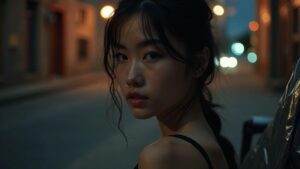
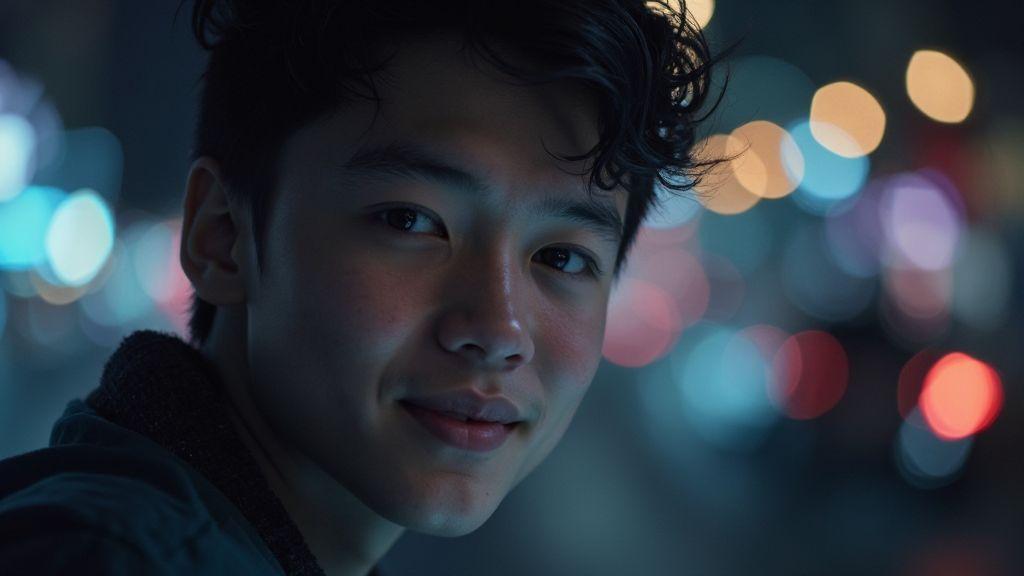
Best lighting for night selfies
You want your night selfies to shine, not your flaws. Soft, even lighting is your best friend here, so you don’t get harsh shadows or strange colors. Start by choosing a light that sits slightly above eye level and faces you at a gentle angle. This minimizes under-eye bags and gives your skin a natural glow. If you don’t have fancy gear, bounce light off a white wall or use a diffuse lamp shade to soften the glow. Your goal is a calm, flattering tone that makes your features pop without looking overdone. Practice a couple of poses with this setup to see what shade of warmth you prefer, then lock it in for your go-to night selfies.
When you’re in a dim street or a cozy venue, fill your frame with light rather than chasing darkness. You’ll notice smoother skin, less noise, and better color accuracy if the light is even and close. Try positioning your light source slightly to the side to sculpt your face with gentle shadows. If the light feels too harsh, tilt it down a bit or bounce it off a nearby surface. The trick is to keep the light soft and close enough that it wraps you in a natural tone, not a flash glare that makes you blink. With practice, you’ll see your skin tone become more even and your eyes pop without looking washed out.
Keep the background in mind too. A well-lit foreground against a darker backdrop creates depth and helps your eyes stand out. If you’re outdoors at night, avoid direct streetlights that cast strong color shifts (like yellow sodium glow). Instead, look for ambient, even sources or use a small, portable diffuser to tame the color. Your Night Selfie Photography: How to Look Good in Dark Photos will thank you for steering clear of overpowering lights and letting the natural mood of the scene come through. Your photos will feel more authentic and inviting when the lighting is calm and deliberate.
Use soft front light
Soft front light makes your features clear without harsh lines. Position the light in front of you and slightly above eye level so it wraps your face evenly. If you have a desk lamp, tilt the shade down and angle it toward your face to reduce glare. A wall or ceiling bounce can also create a gentle fill that minimizes shadows under your nose and chin. Test a couple of distances; a foot or two away often hits the sweet spot for most phones. If you notice warm color casts, adjust the light’s temperature or swap in a neutral bulb. You’ll keep skin tones natural and the overall look relaxed, not plastic.
Raise the light just enough to soften the top of your cheeks and brow, giving you a subtle lift. If you’re sharing a street scene, don’t let the light wash out your eyes; keep a gentle catch light by angling slightly toward your eyes. This small tweak makes you look awake and confident even in a late hour. Remember to keep your shoulders relaxed and your posture natural so the soft front light reads as you, not a molded statue. With this setup, your Night Selfie Photography: How to Look Good in Dark Photos goes from okay to striking in just a few taps.
Try ambient street lamps
Ambient street lamps can add mood and texture to your night selfies. Look for lamps that cast a warm, even glow rather than stark, unflattering beams. Stand so the light pockets land across your face rather than straight at you, which helps dodge shiny foreheads and blown-out cheeks. If you can, position yourself between a couple of lamps to create a gentle cross-fill that smooths shadows. If the scene is too dark, tilt your phone’s flash to a low setting or use a small diffuser to mimic a soft dusk effect. The goal is to let the street’s natural vibe color your photo without turning you into a silhouette or a pale ghost.
Take advantage of the environment. Neon signs or shop windows can add interesting color accents, but keep the exposure balanced so you don’t lose facial detail. Ambient lamps give your skin a warmer tone and a natural contrast against the city’s dark backdrop. With practice, you’ll know which angle makes your eyes sparkle while the background adds interest rather than noise. Night selfies become storytelling when you ride the line between the lamp’s glow and your own light. Use this technique to keep your look genuine and inviting in the shot.
Ring light tips for night selfies
A ring light can be a quick fix when the street is too dark, but you still want flattering detail. Place the ring light directly in front of you, a touch above eye level, so it fills your face evenly. If your ring light has adjustable brightness, start low and build up to avoid overexposure on your skin. Balance it with the ambient light; let the background stay slightly darker to keep you as the focus. If you notice a ring-shaped catch light that feels too polished, angle the light a bit off-center to soften the effect.
Use the ring light to soften shadows under your chin and nose, but don’t rely on it alone. In a busy night setting, combine it with a subtle bounce from a nearby wall to maintain texture in your skin. If you’re worried about a flat look, tilt the ring light a few degrees and vary your pose—slightly turn your head or shift your smile—to keep the image lively. The goal is to enhance your natural features, not erase them with a single, perfect glow. Your Night Selfie Photography: How to Look Good in Dark Photos will improve as you mix ring light work with ambient cues.
Phone settings for low light portraits
In low light, you want your phone to grab as much light as possible without making you look fake. Start by turning on the basic night-friendly modes and give your camera a chance to work with the darker background. You’ll notice that the screen may brighten differently and you’ll need to hold steady a bit longer, but your photos will come out crisper with less noise. If you’re using a newer phone, you can also enable grid lines to keep your frame balanced, which helps you line up faces and lights without guessing. Remember, the goal is to let the sensor collect enough light, not to push the shutter speed so fast that your subject moves.
When you’re out at night, your phone’s default settings can aggressively lift shadows, which creates fake detail. Instead, you want a natural feel. Try lowering the brightness slightly and letting the exposure settle. If your phone has a Pro or manual mode, you can set a longer exposure for a stable shot, but only if you’re perfectly still. If you’re moving, you’ll get blur. So, practice a quick tap to focus on your subject and hold your device steady, using a wall or a tree as support if needed. These small adjustments will keep skin tones honest and keep the background from washing out.
You should also think about the light around you. If you’ve got a nearby street light, angle your subject toward it to create a flattering glow. If you’re near a neon sign, aim so the color shifts don’t overwhelm your face. By balancing where the light falls, you get a more natural look and less digital polish. Your night portraits will feel warmer and more real when you respect the space around your subject and avoid blasting light directly at the camera.
Turn on night mode
Night mode is your go-to tool for low light portraits. When you switch it on, you’re telling your phone to slow the shutter just enough to catch more light without turning you into a fuzzy silhouette. You’ll see a little timer or slider showing how long the exposure will stay open. If you’re steady, you can slide longer for brighter results; if you can’t stay still, keep the exposure shorter to dodge blur. A quick tap to focus on your subject helps night mode lock onto the right area, so you don’t get a washed-out background.
As you practice, you’ll notice night mode can soften some fine lines and smooth grain. That’s not magic—it’s how the sensor averages light in darker scenes. If a color cast pops up, you can tap to adjust white balance in some phones. Use warm tones for cozy night portraits and cool tones if you want a city-night vibe. Night mode won’t fix bad light, but it makes the best of what you’ve got. Keep a steady hand or prop yourself against something solid to maximize the feature’s advantage.
Night mode works best when your subject is the focus. Try to keep the person seated or standing in a light patch so that their face is not swallowed by shadows. If you’re shooting a group, stagger people a bit so the closest faces stay sharp and the others aren’t drowned by the dark. With practice, you’ll start to instinctively flip on night mode at the perfect moment, turning dim streets into dramatic, clear portraits.
Lock exposure and focus
Locking exposure and focus gives you consistent results, especially when the scene has varying light. Tap on your subject’s face to set exposure on them, then use the lock feature (often labeled AE/AF Lock) to keep those settings steady as you shoot. This prevents the background lights from forcing your phone to brighten or dim mid-shot, which can wash out skin or blow out a lamp. If your phone supports exposure adjustment after locking, nudge the level a notch or two to get your subject just right. Keep it subtle—tiny changes matter in night photos.
When you lock focus, you reduce the chance of the camera refocusing on a passing car or a bright sign. If you’re filming or taking multiple shots, recheck the lock after every few frames. In practice, you’ll find that the safest approach is to frame and lock, then hold your pose for a quick set of two to four shots. This gives you clear options to choose from without chasing changing light. For portraits, you want crisp eyes and a soft background, so your priority should be keeping the focus on the face while exposure holds steady.
If you’re with someone who keeps moving, consider a short burst after locking exposure and focus. This can help you capture a moment when their eyes are open and their expression is natural. Remember: the goal is consistency. Lock it once, then shoot a small series to capture that perfect, steady portrait.
Camera settings for night selfies
For night selfies, you’re balancing face detail with ambient glow. Start by using a longer exposure only if you’re steady or braced, otherwise you’ll get motion blur. Enable night mode if you have it, and keep your phone at chest level to avoid looking up and creating odd shadows. If you have a front flash option, use it sparingly; a weak fill can brighten your features without washing them out, but bright flashes tend to flatten depth. In most cases, a gentle ambient light will give you a more flattering result than a harsh flash.
Choose a higher ISO carefully. A higher ISO helps you see your face, but it also adds grain. If you can, keep ISO in the mid-range and rely on a steady hand or a small tripod for your best night selfies. White balance is important here; the skin tone should look natural, not washed orange or blue. If your device allows, pick a warmer white balance preset to keep your face looking true to life. Practice a few minutes in dim lighting to learn how your camera interprets different light sources.
Finally, framing matters in night selfies. Don’t crowd the edge of the frame with bright signs or street lamps; instead, position yourself with soft background lights behind you. This creates depth and makes your portrait pop. If you want a candid vibe, angle slightly to the side so your features catch the light more evenly. Night Selfie Photography: How to Look Good in Dark Photos is within reach if you tune exposure, focus, and lighting to your favor.
Posing for dark photos
When you’re in a low-light setting, your goal is to use light to shape your face. Start by facing the brightest part of the scene, like a streetlamp or a window. This gives your features depth instead of washing you out. If you can, position yourself so that the light hits your cheek or eye area at a slight angle. That angle makes your eyes look alive and your jawline more defined. Practice a few small turns of your head so you find the sweet spot where the light creates contrast without casting harsh shadows. Remember: even tiny shifts can change the mood of the photo, so take a quick second to test a couple of angles before you press the shutter.
Angle your face to light
Aim your face so light hits from the side rather than from straight on. A gentle tilt of your head toward the light makes your eyes sparkle and reduces any flat-looking skin. If the light is coming from your left, show a touch of your left temple and jawline; if it’s from the right, do the opposite. Keep your chin level to avoid a shadow that makes you look tired. You can also lower your shoulders a notch to create a cleaner line for your neck. Practice a few angles, and notice which one makes your eyes pop and your skin texture look natural, not slick or greasy. You’ll feel more confident once you find your best angle in that dark glow.
Keep small steady movements
In the dark, tiny movements matter. If you’re breathing hard or wobbling, your photo will mirror that energy. Take slow, shallow breaths and hold your body still for a second when you press the shutter. If you’re standing, plant your feet shoulder-width apart and tuck your elbows in a bit to steady your pose. A light, deliberate tilt of your head or a subtle turn of your torso can add depth without blur. If you’re seated, rest your hands on your knees or a prop to keep them from shaking. The goal is calm, controlled motion that your camera can freeze without looking stiff.
Posing for dark photos tips
Choose a strong light source nearby and use it to sculpt your features. A known trick is to angle yourself so the light hits your eyes first, then your cheekbones, then your jaw. This creates a natural, inviting look. Don’t rely on flash alone; soft nearby light is kinder to skin and avoids flat, washed-out tones. If you must shoot in very low light, consider a quick tripod or a steady surface for your camera or phone. Finally, keep practicing with different distances to the light—closer can be bolder, farther can be more mysterious. Night Selfie Photography: How to Look Good in Dark Photos isn’t magic; it’s practice, light, and a steady hand.
Using flash without harsh shadows
When you use flash, you want soft, natural-looking light that doesn’t slam your subject with hard edges. Start by aiming for ambient balance first—set your camera to expose for the scene, then add just a little flash. This keeps the background visible and avoids flat, washed-out faces. If your subject is close, a gentle pop of light can bring out their features without creating stark shadows. Practice at night spots with even surfaces, like brick walls or open sidewalks, to see how shadows fall and adjust.
To reduce harsh lines, think about the distance between you, your subject, and the wall. A small tweak in distance can melt harsh shadows away. If you own a small external flash, bounce it off a nearby ceiling or wall to spread the light more evenly. If you don’t have bounce options, use a white card or tissue angled above the lens to catch light and soften the fall. Keep the flash strength low and build up with ambient exposure for a more natural look.
Remember to check the direction of light. Light coming from the side or slightly above your subject creates flattering depth, while light straight on can look flat. Take quick test shots and compare the shadows on the face. If the shadows feel too deep, dial back the flash and lean into ambient light a bit more. Your goal is to illuminate details without creating distracting dark pockets.
Diffuse flash with tissue or paper
Using tissue or thin paper to diffuse flash is a simple, cheap trick that makes a big difference. Crumple a piece of tissue into a loose shape and place it between the flash and your subject, or tape it to a small white card. The idea is to soften the light as it leaves the source, spreading it across the face rather than punching straight through. This reduces the harsh lines around the nose, chin, and cheekbones.
Attach the diffuser where the flash would normally hit the subject. If you’re shooting from a phone or compact camera, a small tissue sheet can still work—tuck it over the flash or prop it nearby so the light has something to bounce off. Keep the tissue clean and free of wrinkles; a smooth surface helps keep the light even. Try a few tests: you’ll notice the face gains gentler shading and a more natural glow.
If you’re in a cramped space, diffuse light with a white wall instead. Hold your device at a slight angle and let the wall bounce light back toward your subject. The goal is to remove the harsh hotspot in the center of the face and create soft, even coverage that looks more flattering in Night Selfie Photography: How to Look Good in Dark Photos.
Diffuse flash with tissue or paper
This is a repeat note of the previous section but kept for emphasis in the edited flow.
Use fill flash or screen light
Fill flash is your friend when the background is dark but you want the person to pop. Set your flash to a lower power or use the camera’s fill-flash mode so it only brightens shadows rather than overpowering the scene. This keeps your subject sharp while preserving the mood of the night.
Screen light, like a white card or a small reflector, helps you bounce light onto the subject’s face. Hold the card at a 45-degree angle, just out of frame, to catch light from the surroundings and redirect it to your subject. This technique adds a gentle glow and reduces the need for a strong flash. In tight night spaces, screen light can make a face look more dimensional and lively.
Practice with different angles: a slight upward tilt can lift the eyes, and a side bounce can sculpt cheekbones. With fill flash or screen light, you’ll see a more balanced portrait where the person stands out without feeling staged.
Using flash for night selfies
Night selfies benefit from a light touch. Keep the flash low and use it as a cue light rather than the whole show. Lean into the ambient mood—city lights, neon, or car reflections can provide a halo around your subject when the flash is used sparingly. A soft vignette around the edges often looks more cinematic than a flat, blown-out face.
Position yourself so the flash doesn’t directly hit the camera’s lens. Use a small diffuser or bounce light off a nearby surface to create a flattering glow. If you can, shoot a quick sequence: one with natural light only, one with a gentle fill, and one with a diffuser. Compare the results and pick the style that makes your Night Selfie Photography: How to Look Good in Dark Photos feel most true to you.
Low light selfie techniques for sharp shots
When you’re out after dark, your camera fights to keep your face in focus and your colors true. You want sharp, clear selfies without blur or noise. Start by setting expectations: in dim light, you’re competing against street lamps, neon signs, and your own shaky hands. You’ll use three practical moves to lock in sharpness. First, think steady first: you’ll get better results if your camera isn’t moving when the shutter opens. Second, you’ll balance exposure so your skin tone looks natural, not blown out or muddy. Third, you’ll pick a light source that helps you, not fights you, so your features pop without harsh glare.
To begin, you’ll look for contrasty light and set your mode accordingly. If your camera has a Night or Portrait mode, try it, but don’t rely on it alone. You’ll often need to tweak the exposure down a touch so the highlights don’t clip on faces. Keep your camera at eye level and square to the light source, not at an awkward angle that hides your eyes. If you’re using your phone, tap to focus on your eyes and lock exposure by dragging the sun icon a bit down or up. This makes your skin tone consistent across the frame, which is crucial for a flattering night selfie that still looks natural in Night Selfie Photography: How to Look Good in Dark Photos.
Finally, you’ll guard against motion blur by taking a careful approach to timing and breathing. A short, deliberate breath before you press the shutter can stop tiny shakes. If your device supports it, you’ll enable image stabilization or shoot in a slightly faster frame rate. Don’t overdo it with post-editing; you want the shot to be accurate to what you saw. When you combine steadiness, smart exposure, and a steady hand, your night selfies become noticeably crisper and more true to life.
Use a tripod or steady rest
Using a tripod or a solid surface makes a big difference in low light. You’ll reduce hand shake and keep your frame perfectly still for longer exposures. If you don’t have a tripod, you’ll improvise with a steady table, railing, or a stack of books. The key is a solid base that stops any wobble. You’ll position the camera at the height you need, then lock the setup so you can press the shutter without shifting the shot. Your night photos will come out sharper because the camera isn’t moving during the exposure.
Another trick is to use a remote or timer so you don’t press the shutter with your finger. You’ll cut the tiny shake that happens when you depress the button. If you’re using a phone, you’ll hold it with both hands and press with a gentle tap or use a voice command if available. A small portable tripod or a gimbal can be a game changer for portraits at night, letting you keep your subject steady while you experiment with angles and framing. With a solid base, you’ll notice the difference in every shot.
Finally, you’ll test different heights and angles to find the most flattering look for your face. A slight tilt of the camera can reduce the appearance of a double chin or a nose shadow from harsh lights. You’ll want the light to hit your eyes just right, so your expression feels natural and confident. A steady base makes all these tweaks reliable, turning uncertain night shots into repeatable winners.
Use timer or burst mode
The timer gives you a moment to settle into position without touching the camera. You’ll set a two-second or ten-second delay, step back, and let your face become the star of the frame. If you’re alone, this is your best friend for crisp focus and a natural pose. Burst mode lets you snap several frames quickly, so you can pick the sharpest moment. You’ll choose a short burst to keep motion blur away, especially if you’re dealing with a moving subject or a crowd.
You’ll also use timer or burst to experiment with different expressions without rushing. You’ll try a soft smile, a serious look, or a natural laugh, and compare the results. In Night Selfie Photography: How to Look Good in Dark Photos, this approach helps you find the moment that feels most you. Remember to watch for changing light; burst frames can catch a flash of neon that briefly washes out color, so choose the frame where skin looks balanced.
Finally, you’ll review the shots quickly on your screen. Pick the one with the sharpest eyes and the least noise, and don’t settle for almost good. If you’re unhappy, adjust exposure, or try a new pose and repeat the burst until you nail it.
Night selfie tips for sharpness
When you want sharpness at night, you’ll keep the light simple and controlled. You’ll avoid close, bright lights behind you that create halos or highlight noise in your skin. Look for a softer, nearby light source—like a street lamp or a lamp indoors—so your face is evenly lit. You’ll also watch the white balance; a warm light can give you a friendlier tone, but you don’t want colors to drift toward orange.
You’ll keep ISO as low as you can while still exposing properly. If your photo looks grainy, you’ll step down the ISO or lengthen the shutter slightly with a tripod. You’ll balance aperture to keep your face in focus while letting enough light in. If your camera has a RAW option, you’ll shoot in RAW to rescue shadows later in editing, but you’ll keep the file clean by not pushing noise too much.
Finally, you’ll practice. Night selfies take patience, and your best shot may come after a few tries. Find a steady corner, test different angles, and notice how small changes change the sharpness and mood. With practice, your Night Selfie Photography: How to Look Good in Dark Photos becomes second nature.
Editing night selfies for brightness and tone
You’re about to transform your night selfies from dull to vivid without losing the moment. Start by dialing in overall brightness so your face isn’t swallowed by shadows, but keep the lights natural. Think of brightness as the stage lights for your photo: you want you to stand out, not glow like a lamp. When you adjust tone, you’re balancing warm and cool colors so skin looks natural under street lamps or neon. If your photo feels blue from the night, nudge the temperature toward warm without turning you orange. Keep a subtle edge to the shadows so the scene still feels alive, not flat. Remember, you’re aiming for a look you’d show a friend and say, Yep, that’s me, but better.
Now, match brightness with your subject’s mood. If you’re smiling, lift brightness just enough to reveal your expression; if you’re pensive, keep it softer so the moment breathes. Tone should support the vibe: warm tones cozy up a candid, cool tones add drama to a moody street scene. Use your histogram as a guide—keep highlights from clipping and protect skin from looking washed out. You’ll notice the portrait gains depth when you maintain a gentle contrast, so your edges stay crisp and your features pop. You’re not chasing a perfect photo; you’re keeping the moment honest with a shinier, friendlier glow.
Keep in mind the camera’s quirks at night. Some phones tend to over-darken when you’re backlit by a neon sign. In that case, target a midtone bump so the facial features aren’t lost in the dark. If a streetlamp creates a yellow halo, slightly cool the light to keep skin tones believable. You’ll learn what feels right by comparing a few quick tries side by side. The key is consistency: apply the same brightness and tone tweaks to related night selfies so your gallery reads as a cohesive collection.
Raise exposure and lift shadows
Your first move is to raise exposure enough to reveal your face without turning the scene into a blown-out mess. Think just enough so the eyes aren’t hiding in darkness. Lift shadows to bring back detail in hair, the jawline, and clothing, but don’t push so far that you introduce grain or halo artifacts. If you see noise creep into the dark corners, slow down and back off the exposure a touch. You want a clean balance where the background still feels night-like, not midday.
When you raise exposure, you’ll notice the picture gains life. Your skin will appear a touch brighter, the eyes will catch better reflections, and your entire silhouette will feel more present. Lift shadows with care: you’re not erasing night’s mystery, you’re reclaiming it for your story. If a bright sign behind you creates a flare on your cheek, consider masking that highlight so you don’t lose texture in the face. You’re sculpting with light, not blasting it.
If your image has a strong backlight, you’ll need to fine-tune selectively. Use brushes or masks to brighten the foreground where your face sits while leaving the background dark and moody. This keeps you as the hero of the shot. With practice, you’ll know when to push a touch more or pull back a notch. The aim is clarity without overdoing it, so your night selfie stays relatable.
Reduce noise and sharpen details
Night photos love noise, but you don’t have to live with it. Start by reducing the noise in the darker areas without softening skin or key details. Use a light touch on luminance to clean up grain while keeping the texture of hair and clothing. If you go too far, you’ll look plastic; you want real, not perfect. Keep a natural edge around eyes and lips so expressions stay expressive, not blurred.
Sharpening brings back edge definition that night can steal. Apply a modest amount to the eyes, mouth, and facial outline. You want crispness where it matters, but avoid sharpening the whole image—this can amplify noise in the grainy sections. Use a soft brush to mask areas like the cheeks or background if they start to look over-processed. The goal is a clear portrait with kept skin texture and a lively gaze.
Watch for halo effects around bright lights after sharpening. If you see halos, back off the amount slightly or mask those areas. You’re aiming for a clean, natural look that preserves the mood of a late-night moment. With practice, you’ll know exactly where to push and where to pull back so your portrait stays human, not glossy.
Quick add: Night Selfie Photography in practice (checklist)
- Use soft, close, ambient lighting to wrap your features in warmth.
- Lock exposure and focus on the subject to keep skin tones consistent.
- Balance ambient light with gentle flashes or fill light for dimension.
- Shoot with a tripod or steady rest to minimize motion blur.
- Turn on night mode when the scene supports it, and adjust white balance for mood.
- Edit for brightness and tone with subtlety to preserve natural skin texture.
- Practice different angles and expressions to find your best look in the dark.
Night Selfie Photography: How to Look Good in Dark Photos is about using light, exposure, and steadiness to tell your story after dark. With patience and the right setup, you can turn any dim scene into a confident, authentic portrait.

Smartphone Night Photography Enthusiast & Founder of IncrivelX
Vinicius Sanches is a passionate smartphone photographer who has spent years proving that you don’t need an expensive camera to capture breathtaking images after dark. Born with a natural curiosity for technology and a deep love for visual storytelling, Vinicius discovered his passion for night photography almost by accident — one evening, standing on a city street, phone in hand, completely mesmerized by the way artificial lights danced across wet pavement.
That moment changed everything.
What started as a personal obsession quickly became a mission. Vinicius realized that millions of people were carrying powerful cameras in their pockets every single day, yet had no idea how to unlock their true potential after the sun went down. Blurry shots, grainy images, and washed-out colors were robbing everyday people of memories and moments that deserved to be captured beautifully.
So he decided to do something about it.
With years of hands-on experience shooting city streets, starry skies, neon-lit alleyways, and creative night portraits — all with nothing but a smartphone — Vinicius built IncrivelX as the resource he wished had existed when he was just starting out. A place with no confusing jargon, no assumptions, and no gatekeeping. Just honest, practical, beginner-friendly guidance that actually gets results.
Vinicius has tested dozens of smartphones from every major brand, explored dark sky locations across multiple states, and spent countless nights experimenting with settings, compositions, and editing techniques so that his readers don’t have to start from scratch. Every article on IncrivelX comes from real experience, real mistakes, and real lessons learned in the field.
When he’s not out shooting at midnight or writing in-depth guides for the IncrivelX community, Vinicius can be found exploring new cities with his phone always within reach, looking for the perfect shot hiding in the shadows.
His philosophy is simple: the best camera is the one you already have — you just need to learn how to use it in the dark.