Manual Night Settings: ISO & Shutter Speed Control on Samsung Galaxy S25
This guide dives into Manual Night Settings: ISO & Shutter Speed Control on Samsung Galaxy S25. Learn how to use Pro Mode, dial in ISO and shutter, and stabilize long exposures to capture clearer night photos.
Accessing Pro Mode on Galaxy S25
Pro Mode puts you in control with a clean, uncluttered screen and real knobs for exposure, ISO, and focus. It lives behind the native Camera app: open the Camera, look for Pro or a dial icon, and switch to Pro. Some models show Pro as a separate tab or within a menu. Once active, you’ll see sliders and dials to customize exposure, focus, ISO, and white balance—your scene, your rules, your timing.
Where to find manual camera controls
In Camera, switch to Pro Mode to access ISO, Shutter Speed, Focus, and White Balance. If you’re new to manual controls, think of ISO as the brightness dial, Shutter Speed as how long the camera sees the scene, and Focus as where sharpness sits. Some versions add Highlight Warnings and Zebra stripes to protect bright areas. A simple starting plan: low ISO in bright light, steady hands, and a Shutter Speed that matches motion. Indoors or in shade, raise ISO and adjust Shutter Speed to keep motion under control.
Samsung Galaxy S25 manual night mode
Night photography shines in Pro Mode. In manual night mode, use longer Shutter Speeds and careful ISO adjustments to pull light from darkness without excessive noise. Start with a reasonable ISO, then slow the Shutter to collect light. If grain appears, reduce ISO and lengthen exposure slightly. A tripod helps, but a stable surface or timer/remote shutter can also tame shake. The histogram is your friend for avoiding blown highlights or lost shadow detail. Set White Balance to Auto first, then tweak to render streetlights or neon more naturally.
Quick tip to start in Pro mode
Begin with ISO low, a mid-range Shutter Speed, and White Balance on Auto for a clean baseline. If the image looks flat, nudge ISO up a notch and extend Shutter Speed to brighten shadows. If you see excessive blur, shorten Shutter Speed and raise ISO just enough to maintain exposure. Small tweaks accumulate into real progress.
ISO basics for low light on S25
ISO controls sensor sensitivity. Higher ISO brightens scenes but introduces noise. Keep ISO as low as possible for clean detail, and compensate with longer or steadier Shutter Speeds. In practice, test various ISOs to see how brightness and noise trade off in real scenes—the kitchen, a park, or a street at night. The Galaxy S25 can handle moderate noise, but the goal is to minimize grain for a natural look.
Galaxy S25 ISO settings night photography
Start night shots with a low ISO (100–200). If needed, raise to 400–800 for darker scenes, then balance with a longer Shutter Speed. When handheld, use a faster shutter or stabilization; with a tripod, you can drop ISO and let the shutter do more work. Compare two frames: low ISO with longer shutter vs. higher ISO with shorter shutter to see how brightness and noise trade off.
Shutter speed tips for night motion
Shutter speed is the door that lets in light and determines motion. Slow speeds reveal ambient light and movement (neon trails, water), while fast speeds freeze action. Start with slower speeds for glow and motion, then speed up to freeze subjects. Keep the camera steady to avoid unintended blur. A 1/60–1/125 range often balances faces and motion in dim scenes.
S25 shutter speed control low light
In low light, a mid-range shutter (e.g., 1/60 or 1/80) helps maintain exposure. Use slower speeds to show motion, but be ready for blur. For sharp detail on moving subjects, push to 1/125 or faster. A stable stance or tripod minimizes shake. As you adjust, watch how changes in shutter time affect brightness and noise.
How shutter speed freezes or blurs movement
Fast shutter (1/250s or faster) freezes fast subjects; slower shutters (1/30–1/15s) create motion trails. Match shutter to the subject’s pace: cars require speed, while flowing water or crowds benefit from longer exposures. A slower shutter halves the light, so you may need a brighter scene or higher ISO to keep exposure balanced. Practice helps you predict how movement will appear before you shoot.
Match shutter to subject speed
Think about how fast your subject moves. Quick subjects need a faster shutter to freeze the moment; slower subjects or intentional motion benefit from a longer exposure. For example, bikes may blur at 1/60s, runners freeze around 1/500s, and rain trails emerge at a longer exposure. Use this as a starting rule and adjust based on results.
Balancing ISO and shutter for clean exposure
Balancing ISO and Shutter is essential for clean night photos. Higher ISO brightens but adds grain; slower shutter adds light but risks motion blur. Start with low ISO and a modest shutter, then adjust if the scene remains dark or motion needs capturing. A stable setup helps you push the shutter slower while preserving detail in shadows and highlights. Practice across different scenes to learn the right balance.
Manual camera settings Galaxy S25 night
Going manual at night means starting with low ISO, then tuning Shutter Speed to reveal the scene. If highlights clip, shorten the shutter or lower ISO. Lock a stable frame with a tripod or solid surface, then adapt ISO and shutter to move from a dark frame to a well-exposed one. With practice, you’ll learn your Galaxy’s limits and strengths for night captures.
Read the histogram to check exposure
The histogram shows brightness distribution. A balanced histogram preserves detail in shadows and highlights. If the graph skews left, raise ISO or extend the shutter. If it clusters right, lower ISO or shorten the shutter. Check after each shot to avoid clipping and crushed shadows, especially in bright-night scenes with street lamps or headlights.
Reduce ISO first, then slow shutter
If exposure looks too bright, reduce ISO before extending the shutter. Lower ISO minimizes noise while keeping detail. If you still need more light after dialing down ISO, only then lengthen the shutter a touch. This approach often yields crisper night photos with fewer artifacts.
Tripod and stabilization for long exposures
Long exposures demand stability. A sturdy tripod (or a solid surface) minimizes shake and ghosting, delivering crisper lines in light trails and night scenes. If you don’t have a tripod, use a stable edge or bench and test stability by nudging the setup. A small weight on the tripod or center-column lock helps reduce shake on longer shots.
S25 long exposure night shots
Long night exposures reveal trails and smooth skies but require steady framing and noise control. Use a tripod, timer or remote, and a thoughtful exposure balance (lower ISO, controlled shutter). With patience, you’ll capture neon ribbons and velvet water without smear or blur.
Use timer or remote to avoid shake
A timer or Bluetooth remote keeps your finger off the shutter, reducing shake. For shorter exposures, a 2-second delay helps settle the camera; for longer exposures, a 10-second delay can be preferable. Test your remote’s range and reliability to maintain a steady cadence during shoots.
Best manual settings and post tips for S25
You’re in control with the S25 in manual mode. Start by setting ISO low for bright scenes and increase it for darker ones, balancing shutter speed to keep motion under control. Shoot in RAW to ease exposure, white balance, and contrast adjustments later. For consistent color, save a few white balance presets and experiment with mild contrast and light sharpening to avoid amplifying noise. Crop to level horizons and consider a gentle vignette to direct focus. Save these workflows as presets for repeat night shots.
Samsung S25 ISO optimization night
Night photography benefits from careful ISO choices. Start around 800–1600 in very dark scenes, using 1/60–1/30 for still subjects or motion trails. If you can stabilize the camera, lower ISO and lengthen the shutter to preserve detail. Practice focusing manually in low light, as autofocus can hunt. Pushing ISO too high quickly introduces noise—know your limits and push shutter rather than ISO when possible.
Galaxy S25 night photography tutorial manual
Begin by manual exposure: set a mid ISO to avoid noise, adjust shutter to expose correctly, and tweak to prevent blown highlights. Lock White Balance (often tungsten or a custom setting) and shoot in RAW to refine later. If your subject moves, favor a faster shutter and use focus peaking or manual focus to lock eyes or faces. Consistency comes from practice and applying these steps routinely.
Save custom presets for repeat shots
Save presets for quick repeat night shots. Example presets:
- General street scenes: ISO around 800, shutter 1/60, neutral White Balance.
- Neon-lit scenes: higher contrast and a cooler tone. Loading presets saves time and helps maintain a cohesive look across images.
This guide on Manual Night Settings: ISO & Shutter Speed Control on Samsung Galaxy S25 covers practical steps to master Pro Mode, manage ISO and shutter, and stabilize long exposures for striking night photography.
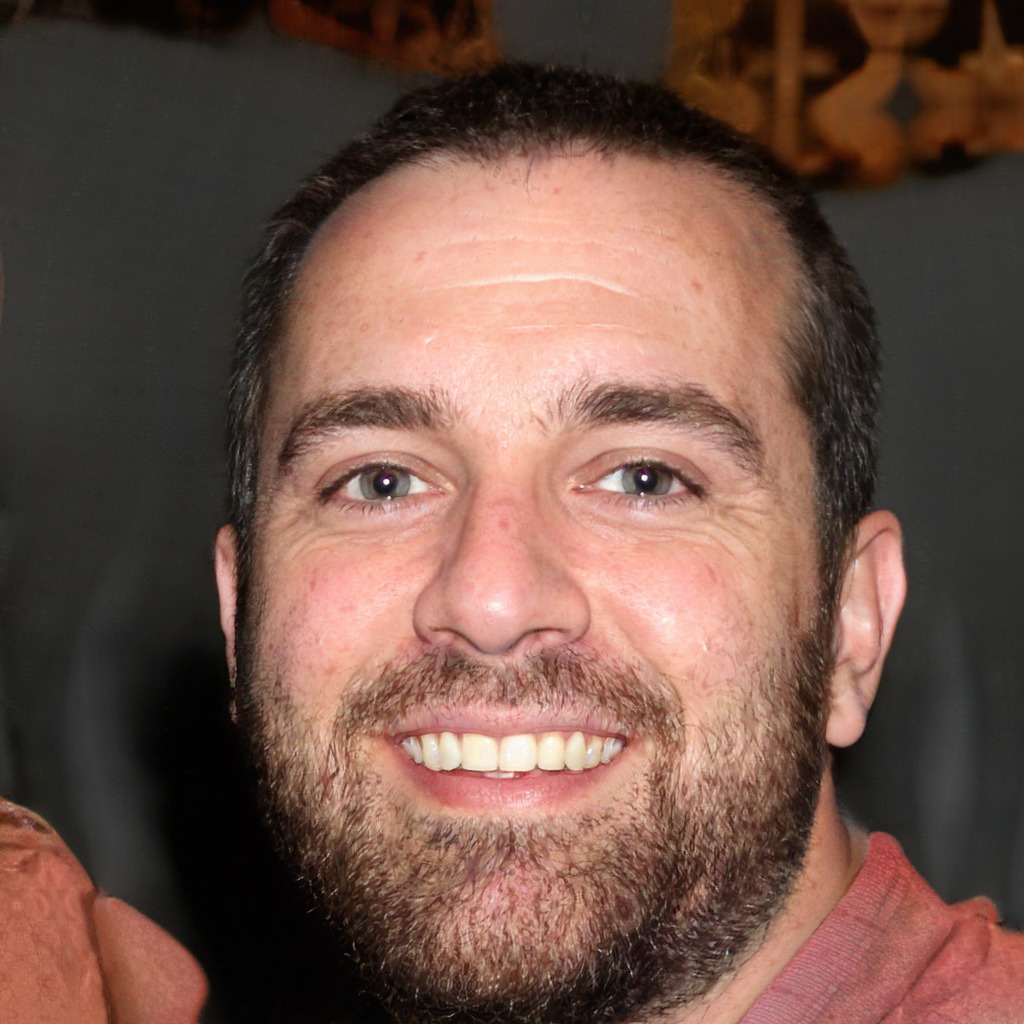
Smartphone Night Photography Enthusiast & Founder of IncrivelX
Vinicius Sanches is a passionate smartphone photographer who has spent years proving that you don’t need an expensive camera to capture breathtaking images after dark. Born with a natural curiosity for technology and a deep love for visual storytelling, Vinicius discovered his passion for night photography almost by accident — one evening, standing on a city street, phone in hand, completely mesmerized by the way artificial lights danced across wet pavement.
That moment changed everything.
What started as a personal obsession quickly became a mission. Vinicius realized that millions of people were carrying powerful cameras in their pockets every single day, yet had no idea how to unlock their true potential after the sun went down. Blurry shots, grainy images, and washed-out colors were robbing everyday people of memories and moments that deserved to be captured beautifully.
So he decided to do something about it.
With years of hands-on experience shooting city streets, starry skies, neon-lit alleyways, and creative night portraits — all with nothing but a smartphone — Vinicius built IncrivelX as the resource he wished had existed when he was just starting out. A place with no confusing jargon, no assumptions, and no gatekeeping. Just honest, practical, beginner-friendly guidance that actually gets results.
Vinicius has tested dozens of smartphones from every major brand, explored dark sky locations across multiple states, and spent countless nights experimenting with settings, compositions, and editing techniques so that his readers don’t have to start from scratch. Every article on IncrivelX comes from real experience, real mistakes, and real lessons learned in the field.
When he’s not out shooting at midnight or writing in-depth guides for the IncrivelX community, Vinicius can be found exploring new cities with his phone always within reach, looking for the perfect shot hiding in the shadows.
His philosophy is simple: the best camera is the one you already have — you just need to learn how to use it in the dark.