Night Mode in 2026: iPhone 17 vs Galaxy S25 vs Pixel 10 – The Ultimate Low-Light Showdown
Quick Night Mode overview 2026
Night Mode has become a real backbone for nighttime photography. In 2026, camera apps stack frames smarter, control noise better, and shutter speeds improve, so you don’t feel like you’re asking the moon to pose. Expect brighter scenes without grain and smoother color in deep shadows. The goal remains simple: clear shots that feel natural, not overprocessed.
Night Mode now activates automatically in dim settings, with intuitive sliders for fine-tuning. Multiple frames are combined into one cleaner image, so you don’t need perfect steadiness. Indoors by lamps or neon signs yields colors close to what you saw; outdoors you still capture glow without washing out your subject. The trick is balancing exposure with natural skin tones, letting the phone pace the light rather than your reflexes.
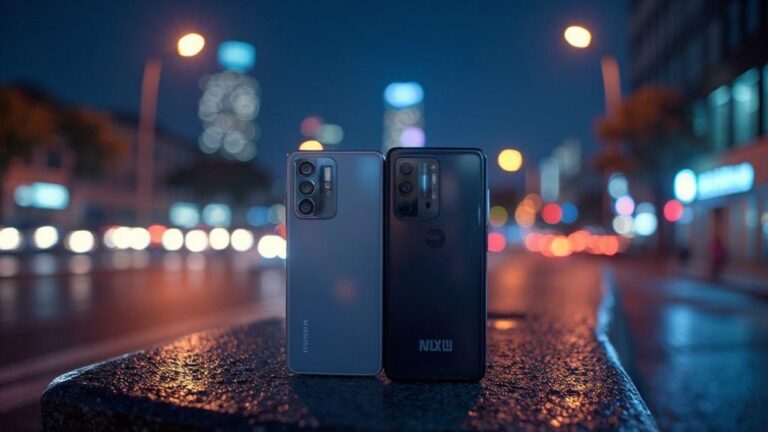
iPhone 17 Night Mode low light comparison 2026
The iPhone 17 nudges scenes toward clarity with smarter stabilization and smarter stacking. Brighter highlights avoid clipping, skin tones stay natural, and busy backgrounds—lamps, cars, signage—don’t flatten into gray. Faster results mean you get a usable shot quickly, and color science keeps reds and blues looking true, making night portraits honest. It’s especially strong for city lights and astrophotography-lite, preserving starry detail alongside foregrounds.
Pixel 10 Night Mode Night Sight low light 2026
Pixel 10’s Night Sight prioritizes true-to-life color and detail, with natural skin tones and balanced exposure. Noise is reduced for smoother gradients in dim cafes or candlelit dinners. It handles motion well, preserving scene honesty while keeping it bright enough to read. Indoors, Pixel 10 feels like a steady hand in a dim room, maintaining readable details.
Which Night Mode fits your needs
Choose based on what you shoot most: crisp, true-color portraits might favor the iPhone 17; natural skin tones and a calm overall look with less processing could lean toward Pixel 10; bright cityscapes with neon reflections might push you toward the Galaxy or the iPhone depending on the scene. Also consider ease of use: if you want quick results, pick the device that auto-adjusts best for your typical scenes; if you want more tweaks, pick a model that lets you dial in exposure and color without a steep learning curve.
Camera hardware and optics
In Night Mode, hardware and optics are the foundation. Sensor size, pixel design, lens, and aperture determine what shows up before any software magic. Bigger sensors and smarter pixel layouts gather more light, producing brighter, cleaner images at night. Understanding how these pieces work helps you predict what your phone will capture in low light and how to adjust your approach.
Your sensor size and pixel design affect noise and detail. A larger sensor typically yields less noise and better color. Smaller pixels can introduce more grain unless software compensates. Some phones stack pixels into larger super pixels to improve light gathering, delivering more consistent light.
Lens choice matters too. A wider lens lets in more light but can distort edges; a longer focal length sharpens distant details but reduces the field of view. The practical takeaway is to balance aperture and focal length for the scene. A brighter aperture and wider field often help in dim places, while hardware choices set your expectations before you tap the shutter.
Sensor size and pixel tradeoffs
Sensor size governs light capture and dynamic range, with bigger sensors delivering cleaner shadows and brighter midtones in low light. Trade-offs include bulk, cost, and battery. Pixel density matters: high megapixel counts on small sensors increase noise; bigger sensors with fewer pixels can capture more light per pixel for smoother night shots. Some phones use pixel binning to merge small pixels into larger effective ones, boosting brightness with less noise at the cost of fine detail.
Lens aperture and focal choices
Aperture is the doorway for light. A lower f-number increases light intake and can blur the background for subject pop, but depth of field may suffer. In low light, a brighter aperture and wider field reduce camera shake but might soften background detail. Focal length changes framing: a wide lens covers more of the scene, while a longer lens isolates the subject. Hardware choices shape Night Mode outcomes, from indoor portraits to street scenes.
How hardware shapes Night Mode shots
Hardware sets the ceiling for Night Mode. A brighter aperture and larger sensor typically deliver clearer night scenes with less noise. Pairing this with smart processing yields better shadows and colors; lens choice defines how much of the scene is captured and where the subject sits. Indoors by lamplight benefits from a wider aperture, while city nights benefit from a larger sensor and smart binning for more detail in storefronts and skies.
Computational photography engines
Computational photography engines blend multiple frames, adjust tones, and sharpen details without delaying your shot. They align frames, reduce noise, and create a natural final image even when light is scarce. These engines juggle exposure, color science, and motion compensation in a blink, often delivering sharper edges and better contrast when moving subjects are present.
When comparing phones, watch how aggressively engines use stacking, HDR, and denoising. The best results are faithful and crisp, not overly smoothed. Color handling in highlights and shadows matters, as does how glow is managed in bright light sources.
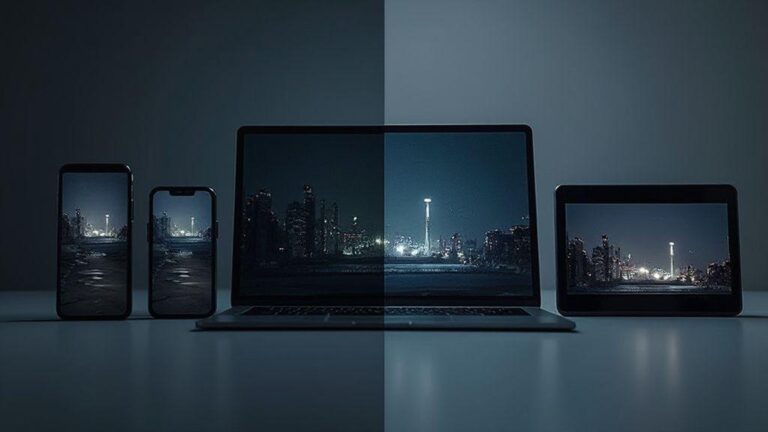
Night Mode computational photography comparison 2026 smartphones
In 2026, Night Mode is a core feature you’ll use in low light. Differences show in exposure stacking quality, noise control, and motion handling. Some phones prioritize color accuracy; others push brightness for details you wouldn’t see otherwise. Skin tones and glow balance vary by brand, reflecting personal preferences for natural vs. dramatic looks.
Exposure stacking and ISO management 2026
Exposure stacking merges multiple frames to preserve highlights and reveal shadows. ISO management keeps grain in check while maintaining brightness, with smart software often reducing noise without washing out detail. Motion correction helps keep subjects crisp in handheld shots, while stacking can reveal more detail in shadows indoors.
What algorithms change in low light
Low-light algorithms favor more frames, smarter noise reduction, and refined color mapping. Aggressive alignment helps counter handheld shake; tone mapping preserves natural color while avoiding muddy greens or washed-out blues. The result is usable photos in tougher conditions without heavy-handed HDR processing.
Noise reduction and dynamic range
Noise reduction and dynamic range balance is key. The best night shots smooth grain without flattening textures and keep highlights bright but not blown. Pattern-aware denoising helps preserve fabric and brick textures, while HDR stacks pull details from both bright windows and dark alleys. The goal is a natural, readable image across varied scenes.
Pixel 10 vs iPhone 17 Night Mode noise reduction 2026
Pixel 10 tends to retain texture longer, keeping fabrics and wood grains legible, with some smoothing in very dark areas to prevent speckle. iPhone 17 emphasizes crisper edges and better highlight detail, with smart alignment that minimizes blur on moving subjects. In practice, Pixel 10 preserves wall texture and sign legibility; iPhone 17 keeps light sources sharp while smoothing the wall slightly.
iPhone 17 vs Galaxy S25 Night Mode dynamic range 2026
iPhone 17 aims for consistent tone mapping and readable midtones, preventing faces from vanishing into shadows. Galaxy S25 favors punchier contrast, making night scenes feel dramatic but sometimes reducing midtone gradation. For portraits under lamp light, iPhone 17 maintains natural skin tones; for neon-heavy streets, Galaxy S25 can render a bolder night vibe. Either way, you’ll get usable shots without manual exposure tweaks.
Balancing detail and smoothness
The best night shots balance detail with smoothing to curb noise. If noise is high, a touch more exposure or additional frames can help; if halos or oversharpening appear, back off sharpening or adjust ISO.
Night Mode in 2026: iPhone 17 vs Galaxy S25 vs Pixel 10 – The Ultimate Low-Light Showdown
You’ll find practical, real-world results rather than hype. Night Mode in 2026 pits iPhone 17’s natural skin tones and balanced highlights against Galaxy S25’s punchy contrast and Pixel 10’s texture-rich, softer mood. The winner depends on your priorities: natural skin tones and consistency (iPhone 17), bold cinematic contrast (Galaxy S25), or textured, forgiving shadows (Pixel 10). Either way, smarter stacking, noise handling, and HDR make low-light outings feel less luck and more skill.
Low-light video performance
Video in low light hinges on how well the camera handles exposure, noise, and motion. Night Mode stitching introduces some delay in exchange for cleaner color and shadows. Expect a touch of lag in dynamic scenes, but benefit from steadier footage and improved readability in dim interiors.
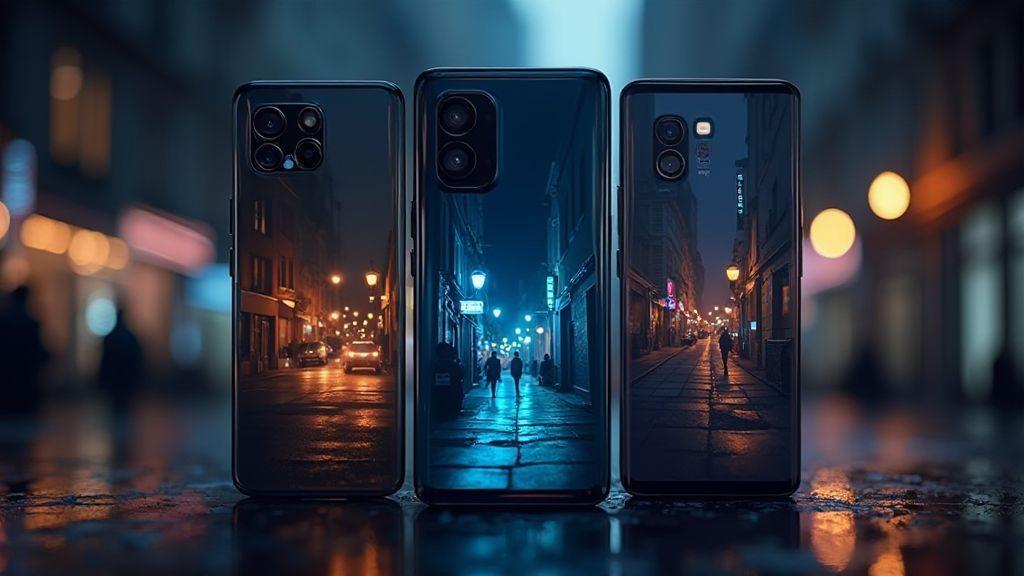
Low light video iPhone 17 Galaxy S25 Pixel 10 2026
Each brand brings a distinct style. iPhone 17 delivers clean exposure and balanced color with controlled highlights; Galaxy S25 often brightens shadows for texture; Pixel 10 emphasizes preserving highlight detail with lower noise in dark areas. Compare the same scene across devices to see color balance, texture retention, and motion clarity.
Stabilization, frame rate, and bitrate
Stabilization keeps shots smooth; 30fps is versatile, 60fps suits action but can strain low light. Higher bitrate preserves texture but requires more light. Use stabilization on, default to 30fps, and increase bitrate when lighting is steady. For motion-heavy scenes, 24fps can feel cinematic and reduce motion blur.
Best settings for night video
Set exposure so faces aren’t underexposed, enable Night Mode, and adjust white balance for true colors. Manual focus helps when subjects move in and out of light. Keep stabilization on, shoot at 30fps, and use the highest reasonable bitrate. If lighting changes, shorten exposures to prevent blur and let Night Mode brighten the remainder.
Long exposure and Night Sight tips
Long exposure captures more light but requires stability. Use a tripod or solid surface and start with a scene that has a clear subject and ambient light. Longer exposure reveals light trails and city glow; keep your subject still to avoid blur. Night Sight blends multiple frames to reduce noise and brighten shadows, with slight smoothing that’s normal. If it looks washed out, try shorter exposure or adjust ISO to preserve contrast.
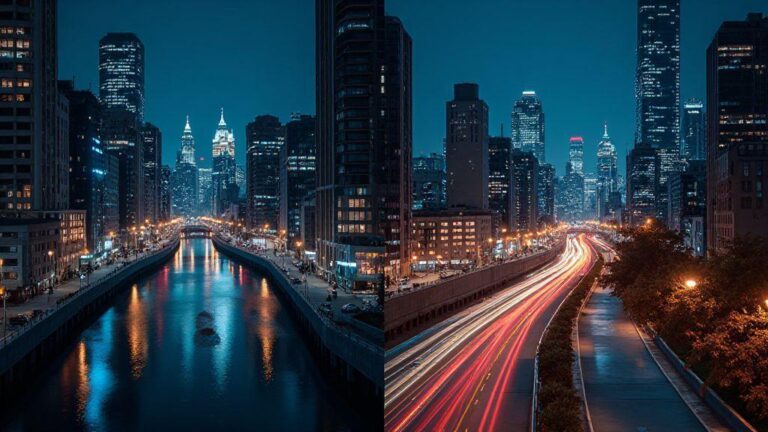
long exposure Night Mode smartphone photography 2026
Newer phones offer direct shutter-speed control, letting you tailor brightness without overexposure. For city lights, start dim and extend the exposure slightly if the subject remains still. Night Mode improves color accuracy and reduces color casts across mixed lighting. Experiment across lighting conditions to learn how your phone handles color and mood. Cityscapes at dusk followed by a storefront test helps you gauge Night Mode’s adaptability.
Tripod vs handheld techniques
Tripods deliver stability for long exposures, reducing blur and enabling sharper landscapes or star trails. If you don’t have one, stabilize on solid surfaces and use timer or remote shutter to reduce shake. For handheld shots, brace your elbows, steady your stance, and shoot in bursts to pick the sharpest frame later.
When to use long exposure or Night Sight
Use long exposure for still scenes with light trails or starry skies. Night Sight excels when you’re moving, dealing with crowds, or lacking gear, balancing brightness and noise to deliver readable images quickly.
Real-world shootouts and samples
Real-world tests show how phones perform under streetlights, neon, and dim interiors. Look for quick Night Mode engagement, focus lock time, and how sharp images stay when handholding. Compare color shifts, warmth, and texture across devices to judge what feels most like real life.
Street, portrait, and skyline comparisons
Street shots benefit from balanced lights and natural shadows; portraits hinge on edge detection and flattering exposure; skylines test dynamic range and color balance. The goal is to pick a device whose night imagery matches your preferred mood, whether natural, cinematic, or textured.
RAW vs processed Night Mode outputs
RAW gives sensor data with minimal processing for post-edit flexibility; processed Night Mode outputs are ready to share and quick to view. RAW is best for nightlife or tricky lighting; processed Night Mode is ideal for fast sharing. Your choice matters depending on whether you value post-edit control or immediate results.
How to read sample images
Assess exposure, highlight handling, skin tones, and noise. Check edge sharpness and color accuracy across light sources. Consider the overall mood and whether it matches the scene you recall.
Speed, battery, and heat
Night photography requires processing power, energy, and heat management. Longer processing times occur in very dark scenes or high-resolution outputs, trading speed for detail. Stay mindful of battery drain and heat buildup; shooting in bursts can slow processing or raise device temperature.
Processing time and battery drain
Processing uses CPU/GPU cycles for stacking and denoising, increasing battery use. To conserve power, use moderate exposures and avoid ultra-high megapixel modes. Faster processing modes exist on some devices—use them when you’re in a hurry. Charging while shooting can reduce perceived drain, but watch for heat.
Thermal throttling and sustained speed
Phones throttle when they get too hot, slowing processing after long sessions. Short bursts with cooling breaks help keep speeds up. Indoor environments with AC reduce slowdowns. Some phones pause post-processing when battery is low; check your settings. Plan your night shoots with pace instead of back-to-back captures.
How to keep your phone cool
Remove bulky cases if they trap heat; shoot in well-ventilated areas or shade. Avoid pockets as heat sinks. A small fan or keeping the device away from your body helps. Lower screen brightness during long sessions reduces heat.
Quick tips and choice checklist
- Start with Night Mode on and a stable setup; use a short exposure to avoid blur. If you lack a tripod, brace the phone on a solid surface and use a timer.
- Lighting and composition matter: frame your subject with a single strong light source and lock exposure when possible.
- Compare devices quickly to learn which Night Mode level or exposure works best for you. If noise appears, reduce ISO or step closer to the subject without blowing out highlights.
Quick settings to improve Night Mode
- Enable Night Mode and choose a longer exposure for dim scenes, or shorter exposure with stabilization for moving scenes.
- Use manual or semi-manual controls if available; lock focus, adjust ISO to reduce noise, and balance exposure for natural skin tones.
- Keep stabilization on, shoot at 30fps, and choose the highest practical bitrate when lighting is steady.
Best smartphone Night Mode 2026 low light showdown
In low light, the best Night Mode results from smart software plus solid hardware: longer shutter options, strong stabilization, and effective noise reduction. Compare how each phone renders shadows, skin tones, and reflections across similar scenes to see which matches your style.
Checklist to test Night Mode in 2026
Take three shots in the same scene with Night Mode on, off, and a mid setting if available. Compare sharpness, color, and noise. Look for natural skin tones, preserved shadow detail, and minimal color cast. If one shot looks washed out, try a different exposure.

Smartphone Night Photography Enthusiast & Founder of IncrivelX
Vinicius Sanches is a passionate smartphone photographer who has spent years proving that you don’t need an expensive camera to capture breathtaking images after dark. Born with a natural curiosity for technology and a deep love for visual storytelling, Vinicius discovered his passion for night photography almost by accident — one evening, standing on a city street, phone in hand, completely mesmerized by the way artificial lights danced across wet pavement.
That moment changed everything.
What started as a personal obsession quickly became a mission. Vinicius realized that millions of people were carrying powerful cameras in their pockets every single day, yet had no idea how to unlock their true potential after the sun went down. Blurry shots, grainy images, and washed-out colors were robbing everyday people of memories and moments that deserved to be captured beautifully.
So he decided to do something about it.
With years of hands-on experience shooting city streets, starry skies, neon-lit alleyways, and creative night portraits — all with nothing but a smartphone — Vinicius built IncrivelX as the resource he wished had existed when he was just starting out. A place with no confusing jargon, no assumptions, and no gatekeeping. Just honest, practical, beginner-friendly guidance that actually gets results.
Vinicius has tested dozens of smartphones from every major brand, explored dark sky locations across multiple states, and spent countless nights experimenting with settings, compositions, and editing techniques so that his readers don’t have to start from scratch. Every article on IncrivelX comes from real experience, real mistakes, and real lessons learned in the field.
When he’s not out shooting at midnight or writing in-depth guides for the IncrivelX community, Vinicius can be found exploring new cities with his phone always within reach, looking for the perfect shot hiding in the shadows.
His philosophy is simple: the best camera is the one you already have — you just need to learn how to use it in the dark.