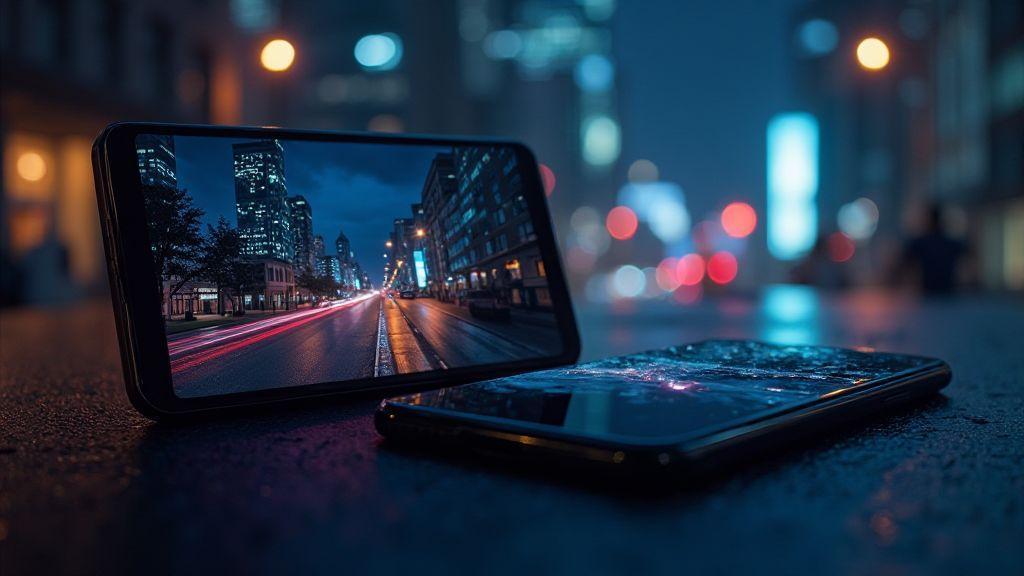
Computational Photography Explained: How 2026 Flagships (OnePlus 13, Xiaomi 15) Redefine Dark Scenes
Sensor and lens updates in 2026 flagships
In 2026 flagships, larger photosites and smarter pixel binning deliver cleaner night images with less noise and wider dynamic range. Faster apertures and improved coatings reduce flare, delivering crisper detail in low light without chasing exposure. Higher-res sensors preserve detail when you crop, and better lens alignment keeps focus instant and reliable even in dim lighting. Some models add enhanced macro performance for tiny, nocturnal details like dew on grass or brick texture.
OIS and the synergy with larger sensors create a steadier night image, letting you shoot slower shutter speeds without blur. This foundation supports the upcoming computational tricks that follow.
Computational Photography Explained: How 2026 Flagships (OnePlus 13, Xiaomi 15) Redefine Dark Scenes
Computational Photography Explained: How 2026 Flagships (OnePlus 13, Xiaomi 15) Redefine Dark Scenes is the headline you’ll start recognizing as these phones fuse sensor data, exposure fusion, and on‑device AI to tame night shots. These devices blend multiple frames, preserve color, and manage highlights so night scenes feel natural rather than washed out.
What you’ll notice: cleaner textures, less grain, and more faithful color across neon, tungsten, and daylight-balanced lighting. It’s not about waiting for a perfect moment—it’s about creating one with smart processing that stays confident in low light.
computational photography 2026 basics
Computational Photography Explained: How 2026 Flagships (OnePlus 13, Xiaomi 15) Redefine Dark Scenes is the headline you’ll start recognizing. You’ll notice smart tricks that make your night photos pop without you tweaking a million sliders. The phones combine multiple frames into one, choosing the best parts from each shot to keep exposure balanced. This means you get brighter skies and clearer faces in the same picture, instead of a washed-out mess.
You’ll see noise reduction that stays friendly to edges. It smooths flat areas but keeps textures like fabric or brick from turning into mush. The phones also use AI to guess what you meant to capture, so silhouettes and highlights look more natural. Real-time HDR tones map the light you’re seeing, not just what the sensor captured. That’s why a night street can show both lit windows and dark sidewalks without one overpowering the other.
What you’ll do with this tech is simple: you’ll tap, shoot, and let the phone work its magic. If you want a cooler effect, you can still tweak a couple controls, but most of your night shots will land in the almost perfect zone right away. It’s like having a clever helper who knows when to brighten a face and when to back off the glare from a streetlamp.
OIS and larger sensor role
OIS keeps your night shots steady when you’re handholding. With larger sensors, you get more light per pixel, reducing the grainy look. You can shoot slower shutter speeds without introducing blur, and you’ll see fewer soft edges on moving subjects like a crossing pedestrian or a performer’s hands.
Larger sensors pull in more color and brightness, helping the software build a convincing image. The result is less clipping in highlights and better texture in shadows. Night portraits look natural, with skin tones that stay true even under tricky lighting. The combination of steadier hand and more light is what shifts night photos from luck to design.
Hardware facts
- You’ll see larger sensors and faster lenses in 2026 flagships, which means more light per shot and less noise.
- Optical image stabilization works with processing to keep things sharp during longer exposures.
Night scene multi-frame fusion
Night shots often look blurry or noisy. The key is multi-frame fusion, where several frames are blended to sharpen detail and reduce noise. This technique makes dark scenes feel more alive, like you’re peering through a tiny window into a night city.
When you start a night scene, the phone takes multiple quick pictures. Each frame captures a slightly different moment, so movement is possible but manageable. The camera then aligns the frames and blends them, producing a single, clearer photo from several tiny shots.
The phones balance brightness and accuracy by stacking data from each frame, pulling in light where it’s strongest and discarding random grain. You get a more complete picture that doesn’t look washed out or overly smooth, approaching real-night perception.
How night scene multi-frame fusion works
In low light, the phone captures multiple frames in quick succession. The processor aligns stationary objects so there’s no ghosting. It then blends frames, selecting the sharpest edges from one frame and the brightest highlights from another. This reduces noise while preserving detail, giving you textures like brick and fabric with more depth.
Motion is handled carefully: moving elements are treated differently from static scenery, so fast parts avoid smear while still delivering a cohesive final image.
Fusion for noise and detail
The fusion process fights two common problems: noise and lost detail. Averaging information from many frames smooths grain in dark areas while preserving texture. It keeps edges crisp—window frames, signs, and hair strands—so a blended night photo feels tangible rather than flat.
Fusion result
The fusion result is a brighter, cleaner image with better contrast and clearer textures. You’ll see less visible noise in dark corners and more of the scene’s actual detail, such as distant lights and subtle shadows. It’s computational photography in action—producing a studio-like shot without extra gear.
Neural ISP denoising
Neural ISP denoising cleans up noise when you shoot at night. Images look smoother, grain is reduced, and brighter details stay visible without losing the scene’s real feel. The phone’s AI predicts clean pixels and edits the photo accordingly, delivering more usable shots in low light.
This processing runs after capture and before the final preview, using AI models trained on countless night photos. It aims to reduce noise while preserving color, contrast, and texture, making night modes feel natural rather than filtered.
neural ISP denoising explained
A neural network compares the captured data with learned clean versions, predicting plausible details and removing grain. It preserves textures like wood grain and brick, avoiding a plastic look. Edges stay sharp but not harsh, and color remains natural rather than cartoonish.
The model weighs context, neighboring pixels, and scene type to decide how to fix each spot. It’s like an on-device artist that knows how light behaves in real life.
Denoise model
Denoise models are trained on diverse night scenes to learn what clean textures look like. They keep skin tones warm and protect architectural details. When you snap, the model runs quickly, smoothing noise while maintaining contrast and texture.
Pixel binning HDR techniques
You’re using your camera’s night mode to pull detail from darkness, and pixel binning HDR is your secret weapon. Your phone stacks multiple tiny pixels into bigger ones to grab more light without amplifying noise. The result is brighter, cleaner images with smoother shadows in dark corners. This works best for calm night scenes like a quiet park or a lit storefront.
Pixel binning HDR blends data from sensor pixels to select the brightest, most accurate color for each area. You’ll see more texture in brick, wood, and fabric, not just a glow. For skylines, binning helps preserve highlights while pulling detail from shadows. It’s a strong all-rounder for night photography.
pixel binning HDR benefits
Pixel binning HDR provides clearer images in low light, with more detail in shadows and less grain. It improves color accuracy by reducing color banding and shifting, giving skin tones and fabrics a more realistic look. HDR merging also helps recover details in both bright and dark areas, preserving mood while avoiding blown whites or lost shadows.
HDR merging for highlights
HDR merging prevents blown-out whites in bright spots like lamps and reflections. The process blends multiple exposures so highlights stay defined while darker areas gain detail, adding texture to lamp glass, brick, and pavement. This approach supports high-contrast scenes without flattening the image.
Binning impact
Binning brightens images with less noise but may soften some fine detail due to pixel merging. If you want crisper texture, shoot multiple frames and balance sharpness and brightness. The result is a usable night photo that preserves vibe and detail.
Real-time RAW processing on phone
You’ll see night shots improve as RAW data is processed on-device. The camera weaves multiple exposures in real time, delivering a preview closer to the final file. This makes the viewfinder feel sharp and responsive even in flickering neon.
Real-time RAW processing combines multiple tiny exposures with smart noise reduction, producing usable detail in shadows and highlights without a post upload. It’s like watching a draft become a finished photo on the fly.
If you’re curious, this is why night modes on modern phones feel different: the camera isn’t just taking a single frame; it’s weaving frames with RAW data while you frame, so the final image pops with unexpected detail.
real-time RAW processing speed
Speed comes from the camera’s sensor and image processor working in harmony. A smooth RAW flow—from capture to demosaic, noise reduction, color correction, to a clean preview—gives immediate feedback that matches what you see. This matters most in quick moments, when you want to decide on the shot on the fly.
On 2026 flagships, real-time RAW processing makes the experience feel fluid, keeping your hands steady and your mind focused on composition. It’s where Computational Photography Explained: How 2026 Flagships (OnePlus 13, Xiaomi 15) Redefine Dark Scenes hits home.
SOC limits and battery tradeoffs
Pushing RAW processing on-device uses more power, and SOC limits can throttle performance. You may see warmth or faster battery drain during heavy shooting. Manufacturers balance speed with efficiency through cooling, smarter task scheduling, and adaptive brightness to keep results crisper without overheating.
To maximize night photography, look for devices that promise balanced performance: strong RAW throughput with manageable power draw so you don’t worry about a dead camera mid-story.
RAW flow
RAW flow is the data path from light capture to the saved file. It moves through capture, demosaic, noise reduction, color correction, and final preview. A smooth handoff yields cleaner night shots with fewer grainy patches and less banding.
AI dynamic range expansion
You’re using your phone at night, and AI helps you see more without turning on every light. AI dynamic range expansion analyzes bright and dark parts of the frame simultaneously and adjusts brightness to preserve detail in both shadows and highlights. The goal is a balanced, natural look rather than washed-out midtones. When you tap the shutter, the phone analyzes the scene and makes micro-adjustments automatically.
In practice, night photos feel more balanced. Highlights in lamps won’t blow out, and textures in shaded walls remain visible. The AI preserves the essence of what you’d notice with the naked eye, especially in scenes with bright lights and deep shadows.
You’ll often see a natural look emerge. If you want drama, you can push contrast a notch, but the default aim is faithful representation—like turning on a dimmer that also sharpens subtle details. The result is cleaner night photos you can share without extra editing.
AI dynamic range expansion basics
At its core, AI dynamic range expansion uses neural networks to read brightness and color, blending multiple exposure guesses into one final image. You get detail in both bright highlights and dark shadows, instead of an image that’s all glow or all grain.
The system compares similar scenes from its memory and picks the best blend for your shot. It helps the phone stay steady and lets you keep the scene’s mood while avoiding blown lights.
Recovering shadow detail
Shadow detail is a superpower. AI helps you recover subtle textures in dark areas without introducing color shifts. Shoot with the phone steady and let the AI work; you’ll notice shadows gaining depth without graininess.
Compare shots with and without this feature to see how recovered shadows add depth and realism. Range tools can help you guide the AI on which zones to protect.
Range tools
Range tools are on-device guides for AI focus. They show which areas are too dark or too bright and let you nudge those zones toward balance with a tap. They help you protect highlights while keeping shadows legible.
Long exposure synthesis and stabilization
When you push night photography, long exposure synthesis stacks frames over time and merges them into a clear image. This is ideal when there’s no bright light to lean on. The phone uses motion sensing and electronic stabilization to keep the final image steady, so your shot feels intentional even in gusts of wind or hand shake. Stabilization helps when you’re handholding or there’s movement in the scene.
Long exposure synthesis brightens shadows and sharpens highlights, but moving elements may ghost or trail. You balance exposure length and frame count to reduce ghosting while boosting brightness and color fidelity. It’s like drawing in the dark: you layer light to reveal textures without blur.
Practically, synthesis reduces noise and improves detail in skies or glassy city lights, producing a natural look without over-processing. You’ll notice less muddy shadows and clearer edges in bright scenes.
long exposure synthesis vs single shot
Single-shot night photos can struggle with noise and lost detail. Long exposure synthesis stacks frames to reveal more texture in shadows and crisper highlights. You’ll capture bricks, signs, and textures you’d miss in one frame, especially on quiet streets. The tradeoff is motion: moving subjects can ghost or blur, so you’ll choose synthesis for stable scenes and single shots for quick moments.
In practice, use synthesis for architectural night shots or cityscapes with steady lighting. For family moments or moving subjects, a single shot can be faster and more honest to the moment.
Motion handling and ghosting
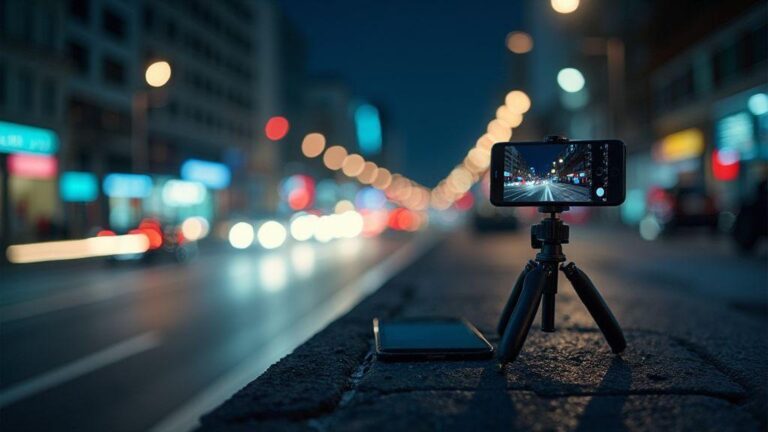
Motion handling aims for sharpness, but moving subjects can ghost. Shorter exposure times or locking focus on a stationary element before capture can help. A tripod or stable surface is ideal; even a ledge or car door with a timer reduces shake. Some cameras offer lens-shift or gimbal-like stabilization to help when frames are fused. Ghosting isn’t a failure—adjust your scene or settings next time.
Quiet, static scenes are best for long exposure synthesis, while dynamic scenes favor single-shot captures.
Synthesis tradeoffs
The big tradeoff with synthesis is brightness versus motion risk. More frames bring more brightness and detail but can introduce ghosting with movement. Choose a scene with still subjects and stable light. Synthesis shines for calm, bright, architectural shots.
Processing time is another factor: synthesis takes a moment to blend. If you need a quick share, you might skip synthesis or use shorter exposures. Color accuracy may shift slightly with frame blending, so for true-to-life tones you may prefer a single shot or limit frames.
Ultimately, pick the tool by the moment you want to freeze: moody, luminous, low-noise scenes benefit from synthesis; fast, candid moments lean toward single shots.
OnePlus 13 night mode features
Night mode on the OnePlus 13 aims to make night feel like daylight—brighter shadows, less noise, and true colors despite glare. The app uses intelligent tricks to keep detail sharp while you stay in the moment. You’ll see improved handling of buildings, faces, and textures without chasing brighter lamps or tri-pods. These features feel practical and easy to use as night settles in.
The standout is how exposure is balanced with stability. Shots stay clear rather than blurred from slight movement. You’ll get cleaner greens from signboards, cooler blues for the night sky, and skin tones that stay natural under mixed lighting. It’s about preserving real-world depth so memories look right when shared.
To push it further, the OnePlus 13 adapts to scenes—street scenes, indoor lighting, or dim cafes—treating each with a tailored approach. Noise in shadows is reduced and texture in highlights is preserved. Computational tweaks quietly do the heavy lifting, letting you focus on your moment.
OnePlus 13 night mode algorithms
When you tap night mode, the phone captures multiple frames and blends them to minimize grain. It keeps color accuracy while reducing speckles in dark areas. The camera also stabilizes subtle hand movements by using data from several frames, letting you shoot with more confidence even if you’re not perfectly still.
Bright sources are handled to avoid washing out the frame; glow is compressed so surrounding details stay visible. You’ll see both the lamp and the sidewalk texture in one shot, not a blown-out blob—a careful balance that makes night scenes readable rather than washed or flat.
User tips for better night shots
Hold your phone steady with a firm grip; elbows tucked and a slow breath before pressing the shutter helps. Before shooting, decide what should stay bright—like a person’s face—and what can stay dimmer, such as the background. This helps the phone’s night mode protect exposure where it matters.
For crisper detail, hold still for an extra second after pressing the shutter so frames can lock in. In dim cafes or streets, a 2-second timer reduces motion blur. If a subject is moving, try a shorter exposure and let motion be part of the scene’s mood—sometimes a little blur feels more real than a perfect still.
Xiaomi 15 low-light performance comparison
In night shots, the Xiaomi 15 stays practical and natural. Its sensor pulls in light without excessive contrast, keeping images readable rather than blown out. The app emphasizes balanced edges and visible textures, with only a light touch of noise when ISO is raised modestly. You’ll notice steadier results under everyday street lamps and softly lit interiors.
The Xiaomi 15 also prioritizes color accuracy in low light: reds stay warm but not cartoonish, blues remain true, and greens don’t shift into neon. Fast focusing under dim conditions helps when you want a candid moment without repeated attempts.
Night portraits benefit from intelligent processing that preserves facial detail and texture in clothing and surroundings, avoiding flat silhouettes even in low light.
Xiaomi 15 low light performance facts
In real-world tests, the Xiaomi 15’s night shots stay readable at modest crops. The sensor captures enough light to render textures without overdoing noise reduction. You’ll also find smart stabilization keeps moving shots usable, and flicker is reduced when lighting fluctuates.
The dynamic range is practical, offering detail in bright lamps and darker corners without forcing you to choose between foreground and background. It’s a balanced approach for casual night photography without extra tweaks.
Computational Photography Explained: How 2026 Flagships (OnePlus 13, Xiaomi 15) Redefine Dark Scenes — Final Take
You’ll notice computational tricks matter more than ever in 2026 flagships. The OnePlus 13 and Xiaomi 15 combine multi-frame stacking, alignment, and on-device AI to produce cleaner night images. It feels like adding a tiny tripod to your phone, without bringing one along.
These devices weave sensor data, exposure fusion, and neural processing to yield less grain, more detail, and better color across mixed lighting. You’ll get clearer shadows and crisper edges, aiding in reading signs and spotting objects in the backdrop.
In low light, you’ll see smoother transitions between lighting types. Neon, tungsten, and daylight-balanced tones stay balanced rather than shifting abruptly. The future of night photography isn’t waiting for a perfect moment—it’s creating one with smart processing that adapts to the scene.
Performance metrics
High ISO stability, dynamic range, and color accuracy are key strengths. The Xiaomi 15 maintains usable detail to moderate ISO levels with controlled noise. Texture readability like brick and fabric stays consistent, and autofocus in dim scenes remains reliable, making moving subjects easier to capture. In practice, these flagships deliver practical, trustworthy night photography rather than flashy promises.

Smartphone Night Photography Enthusiast & Founder of IncrivelX
Vinicius Sanches is a passionate smartphone photographer who has spent years proving that you don’t need an expensive camera to capture breathtaking images after dark. Born with a natural curiosity for technology and a deep love for visual storytelling, Vinicius discovered his passion for night photography almost by accident — one evening, standing on a city street, phone in hand, completely mesmerized by the way artificial lights danced across wet pavement.
That moment changed everything.
What started as a personal obsession quickly became a mission. Vinicius realized that millions of people were carrying powerful cameras in their pockets every single day, yet had no idea how to unlock their true potential after the sun went down. Blurry shots, grainy images, and washed-out colors were robbing everyday people of memories and moments that deserved to be captured beautifully.
So he decided to do something about it.
With years of hands-on experience shooting city streets, starry skies, neon-lit alleyways, and creative night portraits — all with nothing but a smartphone — Vinicius built IncrivelX as the resource he wished had existed when he was just starting out. A place with no confusing jargon, no assumptions, and no gatekeeping. Just honest, practical, beginner-friendly guidance that actually gets results.
Vinicius has tested dozens of smartphones from every major brand, explored dark sky locations across multiple states, and spent countless nights experimenting with settings, compositions, and editing techniques so that his readers don’t have to start from scratch. Every article on IncrivelX comes from real experience, real mistakes, and real lessons learned in the field.
When he’s not out shooting at midnight or writing in-depth guides for the IncrivelX community, Vinicius can be found exploring new cities with his phone always within reach, looking for the perfect shot hiding in the shadows.
His philosophy is simple: the best camera is the one you already have — you just need to learn how to use it in the dark.