

Lightroom Mobile for Night Photography: Complete Beginner’s Tutorial with AI Features
Welcome to Lightroom Mobile for Night Photography: Complete Beginner’s Tutorial with AI Features. This guide blends practical mobile shooting steps with AI-powered edits to help you plan, capture, and share-night images with ease. You’ll learn a smooth workflow—from planning and RAW capture to AI-driven tweaks and fast exports—that keeps your night memories vivid and cohesive across devices.
Create your mobile night workflow
Aim for a fast, sharp, and repeatable night routine on your phone. Start with a reliable camera app set up for low light: steady exposure, sensible ISO limits, and RAW if available. When you’re out, a clear plan saves time—think of it as packing for a night shoot: tripod, spare battery, and clean lenses included. Your workflow should feel natural, not forced.
The moment you step into the night, confirm a simple plan: spots to visit, the lighting mood you want, and your target composition. Use a tripod or stable surface to avoid blur, especially with longer exposures. A timer and remote shutter help you stay steady. If you bring extra gear, keep it light so you actually use it. A solid plan keeps you from scrambling and missing the shot.
Post-processing should be fast and repeatable. Lean into edits you can apply across similar shots. Batch edits work well when you’ve got a handful of similar frames. Pick a consistent look and apply it across your picks. Save presets and leverage AI-assisted tweaks that sharpen stars, balance brightness, and recover colors in neon signs. The goal is a cohesive set you can share in minutes.
Plan shots and use a tripod
Mapping shots in advance reduces chaos. Decide where lights sit in the frame and how to balance sky, lights, and silhouettes. Bring a compact tripod and practice a few long-exposure ideas before you head out. A stable base prevents motion blur and yields cleaner stars or light trails. If you don’t have a tripod, use a steady surface and the self-timer. With a simple plan, you turn a chaotic night into a clean gallery of moments.
A good plan also guides when to push ISO versus time. If the sky is dark but signs are bright, opt for shorter exposures to protect highlights and brighten shadows later in editing. Your shots will feel deliberate rather than random. Stay focused on composition—the camera does the heavy lifting.
Add AI features to speed your edits
AI features quickly tighten night photos. Look for smart noise reduction, sky enhancement, and color intelligence that balance neon glow without oversaturation. AI can suggest crop tweaks and horizon alignment fixes. Start with a batch of similar frames and apply a single, well-chosen preset, then let AI refine details across the set. This avoids guesswork and keeps results consistent.
Keep AI on standby for quick repairs: white balance, contrast, and brightness tweaks that stay natural. If a shot looks flat, a touch of AI-driven vibrance or clarity can bring life without overdoing it. AI helps you move from rough edits to polished images in fewer taps, so you can post faster while keeping the nightlife mood.
Sync presets and edits across devices
You want your look to travel with you. Sync presets across devices so edits stay identical whether you edit on phone or tablet. Create core night presets—tone, exposure, and color balance—and sync them so you don’t reinvent the wheel. With synced edits, you’ll share faster and keep a cohesive final gallery.
Shoot RAW for your night files
RAW captures sensor data with minimal processing, giving you maximum detail in dark skies and bright lights for flexible editing later. RAW files often look flat at first, but that means you have room to recover shadows, highlights, and color without adding noise. RAW also offers broader color ranges and better white balance control, crucial when neon signs mix with the night sky.
Enable RAW capture on your phone
Open your camera app and enable RAW or DNG in Pro/Advanced settings. This saves two files: the RAW data and a JPEG preview. If your phone has a dedicated Pro mode, switch to RAW—the straight path avoids automatic processing that can dull night tones and gives you more control over exposure, color, and noise.
Use Lightroom Mobile RAW night settings
Import RAW files into Lightroom Mobile and start with a baseline: quiet white balance, lift shadows, and tame highlights to preserve natural tones while revealing depth. Explore presets designed for night scenes, but tailor adjustments to each shot. You’ll often push shadows up a touch and reduce highlights to prevent blowouts, then fine-tune exposure, contrast, and clarity per image.
Recover shadows and highlight details
In Lightroom Mobile, use Shadows and Highlights to recover detail. Raising Shadows reveals textures in sidewalks and facades. Lower Highlights to prevent neon signs from clipping. Compare edits with the original to gauge real improvement.
AI noise reduction to save your detail
Night photos can carry noise, but AI noise reduction cleans up while preserving texture. Apply just enough denoise to reduce grain, then restore some detail to keep sharp edges. Different scenes may need different balances—bright highlights vs. dark shadows—so adjust carefully. AI helps you keep natural glow in street lamps and textured surfaces.
Use AI noise reduction in Lightroom Mobile
Lightroom Mobile’s AI denoise tool is handy on the go. Start with a subtle denoise, then balance luminance and color noise to maintain color accuracy, especially in gradients like the night sky. Use the before/after view to ensure natural results, and limit denoise in skin tones or architectural textures to avoid plastic-looking results.
Fine tune texture and color after denoise
After denoising, boost texture slightly to restore crisp edges around lights and brickwork. Don’t overdo it, or you’ll reintroduce noise in smooth areas like skies. Tweak clarity or dehaze to refine the scene, staying gentle to preserve the night’s mood. Adjust color with white balance and vibrance to keep a cohesive palette—cool blues or warm tungsten, depending on the scene.
Compare before and after to check detail
Always compare the edited version with the original to ensure you kept fine details—signs, wires, and textures. If subtle noise reappears, back off and reframe edits with a lighter touch. This side-by-side check helps prevent over-processing and preserves detail.
Edit your stars and sky with AI tools
AI tools can polish the night sky without wrecking the foreground. Select the sky to let AI identify stars, clouds, and color shifts, then push vibrance where needed while keeping foregrounds from washing out. Save sky edits as a preset for future night shots to maintain consistency across sessions.
Select the sky with AI mask
Using AI masks isolates the sky for targeted edits. Start broad, then refine edges around treetops or cloud wisps. A tight mask gives you control over color, brightness, and contrast in the sky while leaving land intact. Feather and density adjustments help the transition look natural. If halos appear around bright stars or the moon, retouch the edge and recheck the selection.
Edit stars in Lightroom Mobile
Star editing focuses on subtlety: boost clarity around star fields to define pinpoints without grain, and use a touch of vibrance to recover blues. A neutral white balance helps keep colors accurate. Apply a gentle sky tweak to maintain texture and avoid gradient washes. Compare before/after to keep the foreground balanced with the sky.
Use dehaze and clarity for sky
A light dehaze helps remove mist and brings out star points, but apply in small increments to avoid halos. Keep clarity modest to preserve the night’s soft mood while sharpening star edges.
Edit long exposures on your phone
Long exposures on a phone should feel cinematic, not harsh. Review RAW/TIFF files when possible, preserve bright areas, and prevent shadows from turning muddy. Use local adjustments to dodge highlights or recover details without flattening the whole frame. If you adjust exposure, do it gradually to keep the scene natural.
For color, a touch of warmth can suit city nights. Slight clarity or structure can reveal textures in water or clouds without sharpening the entire image. Be mindful of noise in long exposures; apply light denoise to darker areas and revisit skin tones and reflections for cohesion. A gentle vignette can guide the eye toward the center of action.
Use long exposure editing in Lightroom Mobile
Begin with a balanced baseline of exposure and contrast. Use Highlights and Shadows to restore details without flattening the scene. Apply selective sharpening to moving edges and retain a natural look with restrained clarity. Color grading—cool shadows with warmer midtones—often captures the night’s atmosphere. Tweak HSL/Color to fine-tune blues, greens, and oranges without affecting skin tones or artificial lights. If noise is present, apply targeted noise reduction and masking to protect critical areas. Profiles that give a natural baseline help you stay consistent, then push or pull sliders as needed.
Simulate motion with radial filters
Radial filters can imply motion without blurring the entire frame. Place a soft radial filter over water or sky, then subtly increase exposure or clarity to emphasize movement. Darken edges to create a gentle vignette that guides the viewer’s eye. Use multiple filters to mimic varied motion (clouds, reflections, light trails) while keeping the main subject sharp. Apply filters in small steps and compare with/without to preserve mood.
Smooth water and lights with motion blur
Motion blur should feel natural and directional. Use targeted brush or gradient tools to blur water or light trails along motion lines. Start light and build up gradually. Ensure color remains consistent and that glow on lights isn’t overenhanced. Check at multiple zoom levels to ensure the blur reads smoothly across the frame.
Apply low light presets to your shots
Low-light presets help you unlock detail in shadows while controlling highlights. Start with presets designed for night scenes, then fine-tune exposure to reveal what’s hidden in the shadows without adding too much noise. As you test presets, watch for halos or banding around bright sources; discard if they appear. Save a reliable baseline preset to apply quickly to new shots.
Pick Lightroom Mobile low light presets
Choose presets that emphasize shadow detail, control highlights, and keep colors natural. Test a few to see how they handle sky, neon, and street lamps. A good night preset smooths grain in flat areas while preserving brick textures and water reflections. Save your favorite as a baseline for rapid reuse.
Tweak color and tint to fit your style
Color sets the night’s mood. If you love the blue hour, lean cooler with subtle cyan in shadows. For a filmic warmth, boost magenta or amber to give lights a gentle glow. Avoid overdoing; aim for a natural, cinematic look. Fine-tune tint and white balance to maintain color consistency across a night-shot set.
Use night mode tips for beginners
Night mode makes capturing in low light easier, but a gentle, patient workflow yields the best results. Start by identifying bright sources and balancing the rest of the scene. Hold steady, choose scenes with interesting but not overwhelming lighting, and practice a simple rhythm: compose, shoot, review, and tweak.
When editing, treat each photo as a story. Keep tweaks light to preserve mood, balance brightness with contrast, and maintain natural colors. If you’re unsure where to start, focus on one bright element and let surrounding areas settle into the shadows. Build a color palette that matches the night’s vibe—cool blues for calm scenes or warm yellows for lively streets.
Start with exposure and white balance
Set exposure to keep key details visible without washing out lights or blowing out the sky. Then adjust white balance to reflect the scene’s mood. Warm streetlights call for warmer tones; blue neon benefits from cooler tones. Small adjustments add up to a believable night vibe.
Use the Lightroom Mobile night mode tutorial
The night mode tutorial guides you through presets and precise sliders. Start with a night-oriented preset, then adjust highlights and shadows for balance. Keep color grading natural to preserve skin tones and street colors. Texture and clarity can be added carefully to sharpen architectural lines and textures without overdoing it.
Practice with sample RAW files
Practice with RAW files to safely test edits. Experiment with exposure, WB, shadows, highlights, and refine your results. Save your best edits as presets to maintain consistency, and keep a quick-reference note of what worked for each scene.
Export and share your night photos fast
Speed matters when sharing. Export at target sizes suitable for social platforms to avoid cropping or pixelation. Batch exports speed up workflows after editing a group of photos. Choose a resolution that preserves detail in shadows and highlights, and balance compression to maintain color fidelity across devices. Use clear, simple filenames to organize future shoots.
Choose file type when you edit night photos on phone
Different file types affect editing flexibility and sharing. JPEG is the easiest for quick posts and broad compatibility. TIFF or RAW offer higher quality for archiving or further edits, though they require more storage and processing power. Start with JPEG for everyday sharing and re-export later in a higher-quality format if needed.
Use export presets for social feeds
Presets deliver a consistent vibe across posts. Create platform-specific presets (e.g., Social – Instagram, Social – Stories) built on a single night look. Apply a base preset first, then fine-tune per image as needed to keep your feed cohesive without over-editing.
Add watermark and export batch
Watermarks protect your night work when sharing publicly. Keep them small and in a corner so they don’t distract from lights and textures. Batch export with consistent watermark, format, and preset settings to save time and maintain a uniform gallery.
Fix common night photo problems
This section covers practical fixes for common night-shot issues, helping you produce balanced, real-looking images quickly.
Remove color casts and lens flare
If colors skew, adjust white balance to restore white areas as true whites. Lens flare around bright lamps can be tamed by lowering highlights slightly and sharpening edges where needed. Tweak color casts per area if multiple light sources are involved to keep the overall scene believable.
Fix noise when you edit night photos on phone
Start with light noise reduction to avoid smearing details. Target color noise (chroma) separately if present. After reducing noise, ensure edges stay crisp and textures in buildings and skies remain identifiable. Avoid overdoing it to prevent a plastic look.
Use heal and clone for sensor spots
Sensor spots can ruin night shots. Use the heal tool to blend spots with surrounding textures, or the clone tool to copy nearby texture for a seamless fix. Work in small strokes and compare with the original to avoid over-editing.
If you’ve followed this Lightroom Mobile for Night Photography: Complete Beginner’s Tutorial with AI Features guide, you’ll build a repeatable, mobile-first workflow that leverages AI to speed edits while keeping your night images natural and cinematic. Your night photography will become faster, more cohesive, and ready to share across devices and platforms.
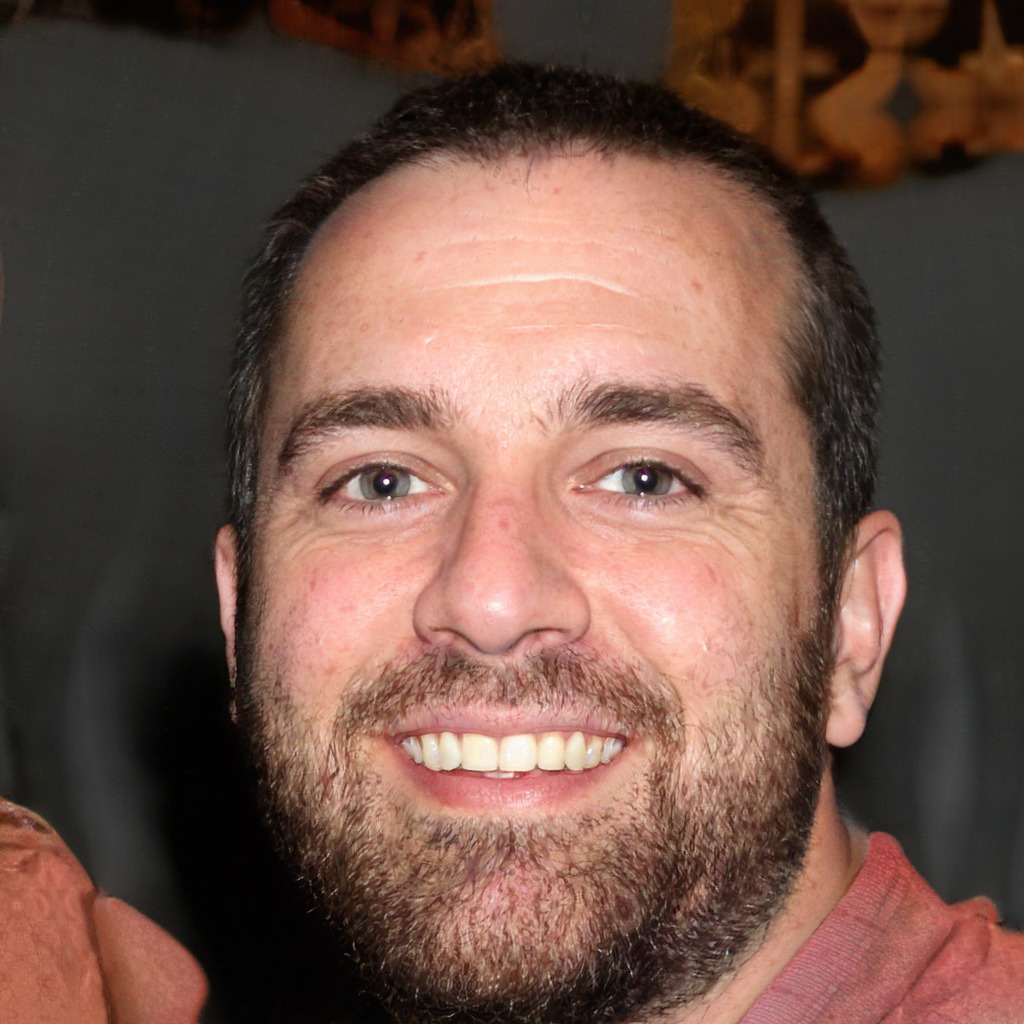
Smartphone Night Photography Enthusiast & Founder of IncrivelX
Vinicius Sanches is a passionate smartphone photographer who has spent years proving that you don’t need an expensive camera to capture breathtaking images after dark. Born with a natural curiosity for technology and a deep love for visual storytelling, Vinicius discovered his passion for night photography almost by accident — one evening, standing on a city street, phone in hand, completely mesmerized by the way artificial lights danced across wet pavement.
That moment changed everything.
What started as a personal obsession quickly became a mission. Vinicius realized that millions of people were carrying powerful cameras in their pockets every single day, yet had no idea how to unlock their true potential after the sun went down. Blurry shots, grainy images, and washed-out colors were robbing everyday people of memories and moments that deserved to be captured beautifully.
So he decided to do something about it.
With years of hands-on experience shooting city streets, starry skies, neon-lit alleyways, and creative night portraits — all with nothing but a smartphone — Vinicius built IncrivelX as the resource he wished had existed when he was just starting out. A place with no confusing jargon, no assumptions, and no gatekeeping. Just honest, practical, beginner-friendly guidance that actually gets results.
Vinicius has tested dozens of smartphones from every major brand, explored dark sky locations across multiple states, and spent countless nights experimenting with settings, compositions, and editing techniques so that his readers don’t have to start from scratch. Every article on IncrivelX comes from real experience, real mistakes, and real lessons learned in the field.
When he’s not out shooting at midnight or writing in-depth guides for the IncrivelX community, Vinicius can be found exploring new cities with his phone always within reach, looking for the perfect shot hiding in the shadows.
His philosophy is simple: the best camera is the one you already have — you just need to learn how to use it in the dark.